Beginner guide
Juicing Recipes for Beginners: Simple Cold-Press Formulas
The best juicing recipes for beginners are simple, mild, and easy to adjust: one base, one brightener, one optional sweet accent, and one gentle green. This guide gives you five real cold-press combinations, a first-week rhythm, and the habits that keep early juicing enjoyable instead of overwhelming.
On this page
What you need to get started
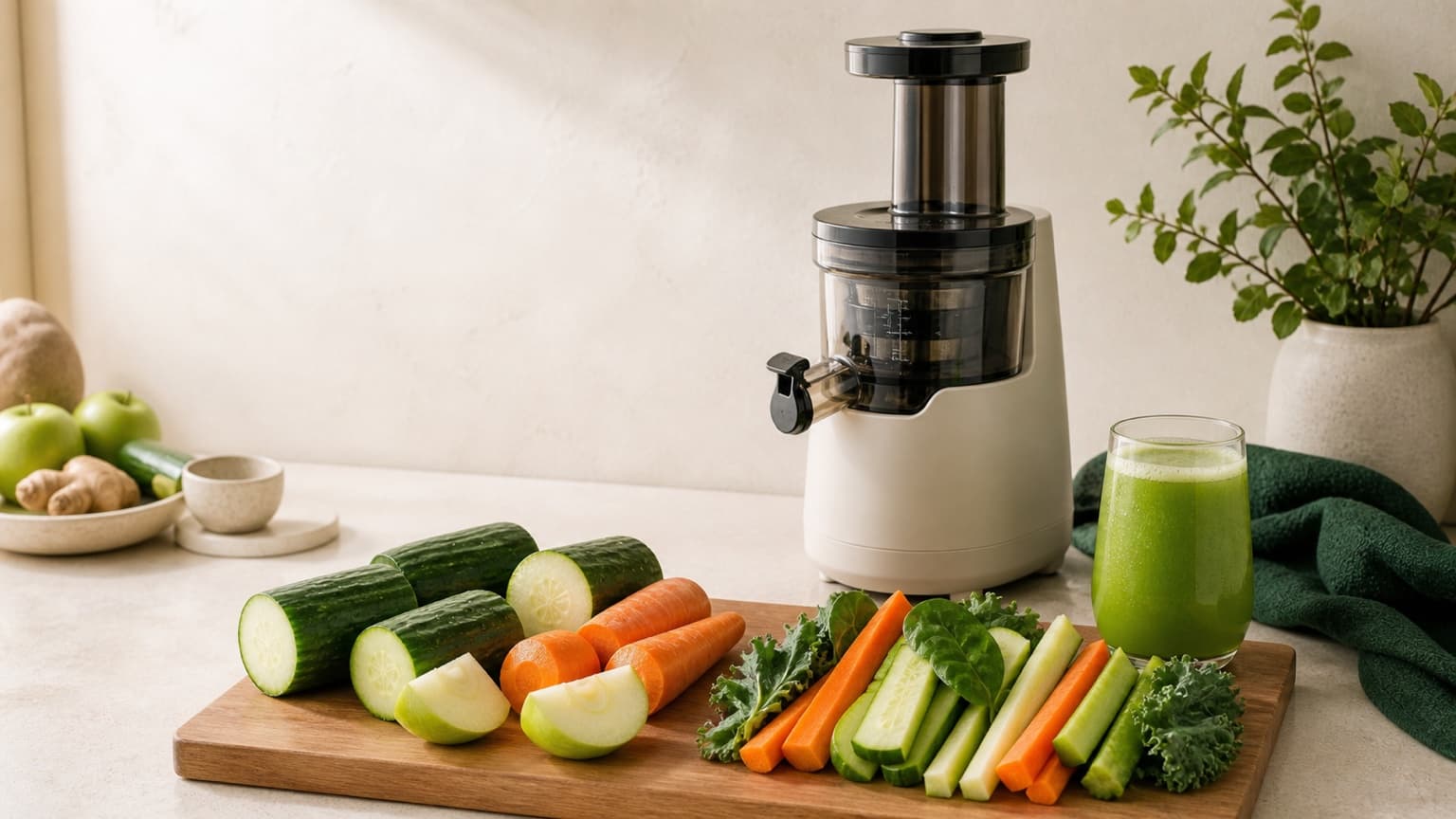
You do not need a complicated setup to begin. A juicer, a cutting board, a knife, a clean bottle, and a small handful of forgiving produce are enough for your first few weeks.
Expect the whole routine, prep to clean counter, to take about twenty minutes the first time and well under fifteen by the end of the week. Most of the speedup comes from washing produce in one batch instead of piece by piece, and from knowing where the bottle brush lives.
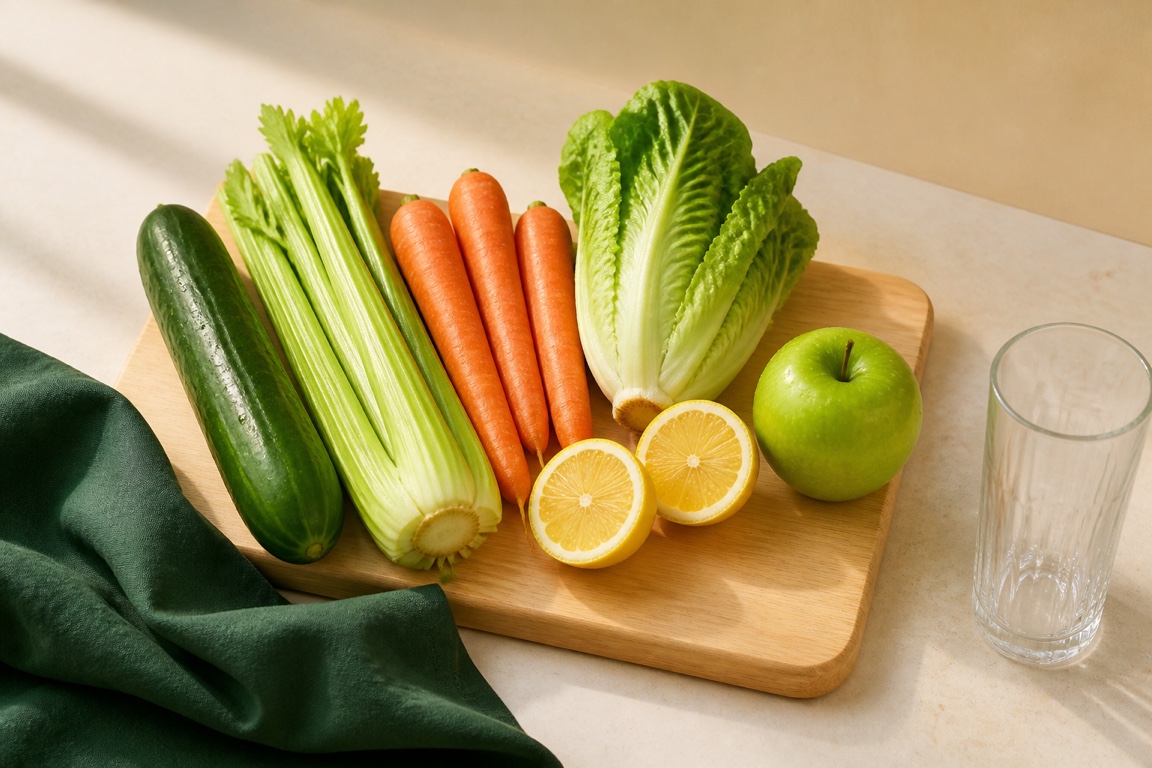
For week one, a short list covers everything: three cucumbers, one bunch of celery, a small bag of carrots, one head of romaine, four green apples, three lemons, a lime, and a small piece of ginger. That is roughly one paper bag of groceries, and it supports every combination in this guide.
One habit is worth installing on day one: rinse the juicer parts as soon as you pour. In our kitchen that takes about four minutes while the juice settles. Left until the afternoon, dried pulp welds itself into the strainer screen and the same job takes fifteen.
Beyond that, beginner juicing is mostly about confidence, not gear. Pick a couple of simple recipes, keep your shopping list short, and give yourself permission to adjust flavors as you learn what you actually enjoy.
The beginner formula that always works
Most reliable juices follow the same simple shape: one base ingredient for volume, one brightener for lift, one optional naturally sweet ingredient, and one gentle green or herb. This keeps a recipe easy to prep and easy to understand.
The formula also fixes proportions without a scale. Let the base make up about half of what goes through the chute, keep the brightener to one small citrus, and let the sweet accent stay an accent. If a juice tastes flat, the fix is almost always more brightener, not more sweetness.
As a rough starting point, one juice for one person is about a pound of produce: half a cucumber or three celery ribs as the base, one small apple or carrot, half a lemon, and a handful of greens. You will tune this within a week, but it makes the first grocery run concrete.
Once you find a combination you like, change one ingredient at a time rather than rebuilding the whole recipe. That single habit is what turns a beginner into someone with a few signature blends.
- Base for volume: cucumber, celery, or romaine.
- Brightener for lift: lemon or lime.
- Optional sweet accent: green apple, pear, carrot, or a little orange.
- Gentle green or herb: spinach, romaine, or a small handful of mint.
Beginner-friendly produce to start with
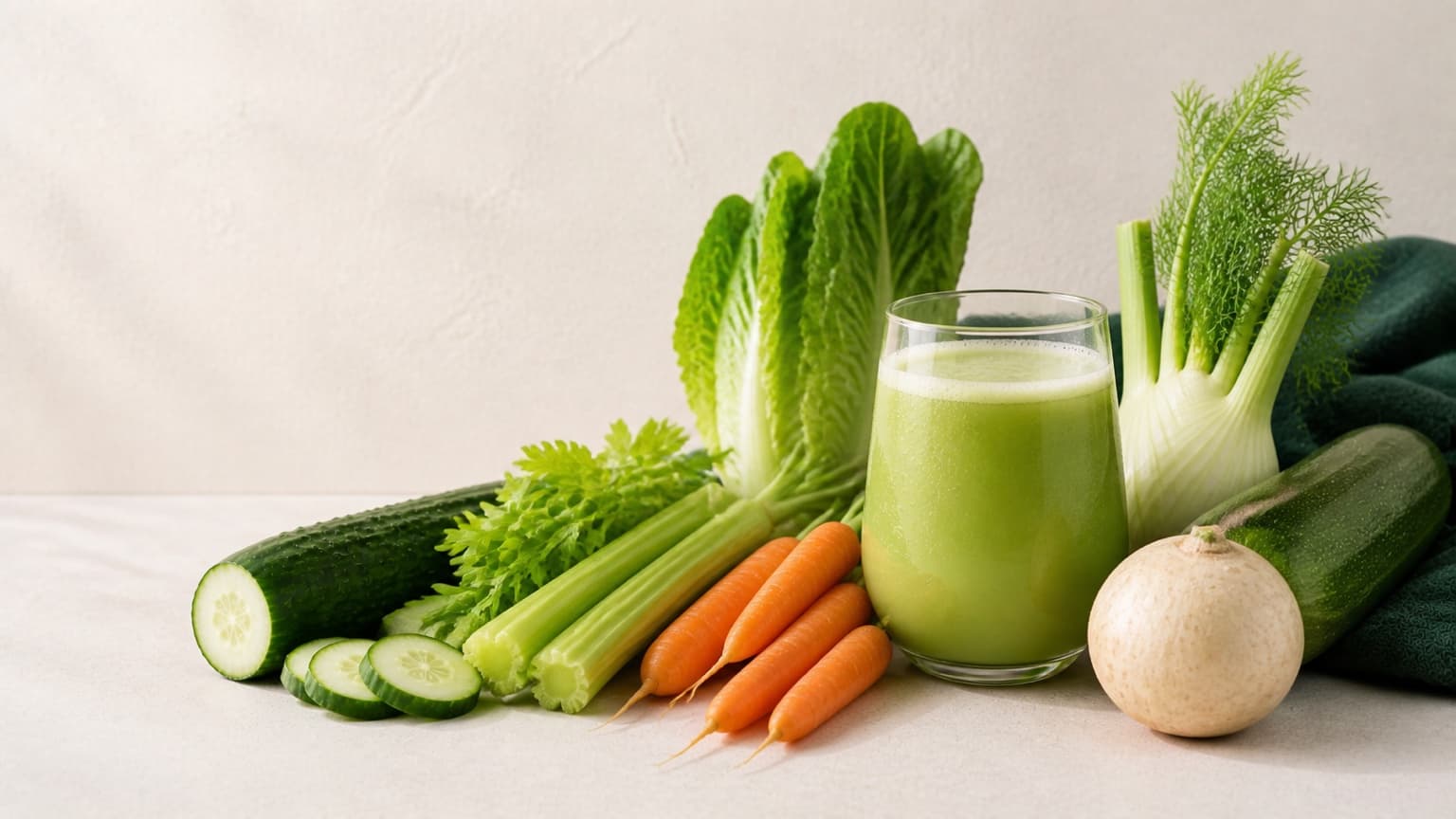
Cucumber and romaine are mild and high-volume, carrot adds natural sweetness and color, and celery brings a clean savory edge. These are far easier to balance than very bitter greens or intense spices.
They are generous, too. One large cucumber gives us roughly a cup of juice on its own, which is why so many easy juice recipes lean on it: you get volume without the flavor turning loud. Celery is nearly as giving; three large ribs press out close to half a cup.
Just as important is what not to buy yet. Skip wheatgrass, specialty microgreens, and anything you have never tasted whole. They are real ingredients with real uses, but they make early juices unpredictable and expensive, and a produce list you recognize keeps week one cheap and the flavors familiar.
If you want a head start, use the builder's beginner setting to rank recipes toward simpler prep and gentler flavor instead of guessing. And when you are ready to compare vegetables properly, the best vegetables for juicing guide scores flavor, yield, and prep effort side by side.
Five easy combinations to try
If you would rather start from finished ideas than build your own, these five simple cold press juice recipes are forgiving and quick to prep. All five keep sugar reasonable by leaning on vegetables and using fruit as the accent, which is exactly the habit worth building. Each one lives in the recipe library with full amounts, prep notes, and storage guidance, so treat this table as your shortlist.
Start with whichever row matches your mood, and make it twice before judging it. The first run of any recipe is really a prep rehearsal; the second run tells you whether you actually like the juice.
If a row looks appealing but one ingredient is missing, make it anyway and substitute with the closest thing in the same role: cucumber for romaine, lime for lemon, pear for apple. Role-for-role swaps almost always work; random swaps almost never do.
| Combination | Ingredients | Flavor profile | Where to find it |
|---|---|---|---|
| Cool and minty | Cucumber, green apple, lime, mint | Light, crisp, gently sweet | /recipes/cucumber-mint-cooler |
| Bright and rooty | Carrot, orange, lemon, turmeric | Sweet, sunny, lightly warming | /recipes/carrot-orange-bright |
| Mild savory green | Celery, cucumber, romaine, parsley, lemon | Clean, savory, citrus finish | /recipes/celery-citrus-green |
| Soft and gentle | Pear, romaine, cucumber, lemon | Mellow, softly sweet, easygoing | /recipes/pear-romaine-soft-green |
| Garden savory | Tomato, bell pepper, cucumber, basil, lime | Savory, herbal, summery | /recipes/tomato-pepper-garden |
Amounts are flexible. Taste before you bottle and adjust with the formula above.
Your first week of juicing
A first week works best when it is boring on purpose. Two recipes, repeated, teach you more than seven new ones, because repetition shows you how your prep speeds up and how flavor shifts with produce freshness.
Here is the rhythm we suggest to friends who borrow a juicer for a trial week. It assumes nothing except that mornings are busy and that you would rather repeat a success than chase novelty.
- Days 1 and 2: make the Cucumber Mint Cooler. Same recipe both days, so the second run feels easier than the first.
- Day 3: switch to Carrot Orange Bright for a sweeter, brighter glass and some practice on firmer produce.
- Day 4: rest day. Check what is left in the crisper and restock only what you finished.
- Days 5 and 6: repeat whichever recipe you liked more, changing exactly one thing, such as a little extra lemon or one less apple.
- Day 7: try one new combination from the table above, or let the builder suggest one from what you have on hand.
Common beginner mistakes
Almost every early frustration comes from a few avoidable habits. Skim this list before your next session and most of them disappear. When you want the full version, the guide to juicing mistakes beginners make walks through each fix in detail.
The pattern behind all five: deciding things at the counter instead of before you shop. A list, a default recipe, and a tasting spoon prevent almost everything on it.
And when a glass does go wrong, do not pour it out. Split it in two, stretch one half with cucumber and a squeeze of lemon, and you will usually learn the fix and rescue the serving in the same five minutes.
- Adding too many ingredients at once, so no single flavor stands out.
- Using too much ginger, beet, or bitter greens before your palate adjusts.
- Not tasting partway through, then being surprised by the finished juice.
- Skipping cleanup until later, which makes the whole process feel harder.
- Making far more juice than you can drink within a fresh window.
Add variety as your taste grows
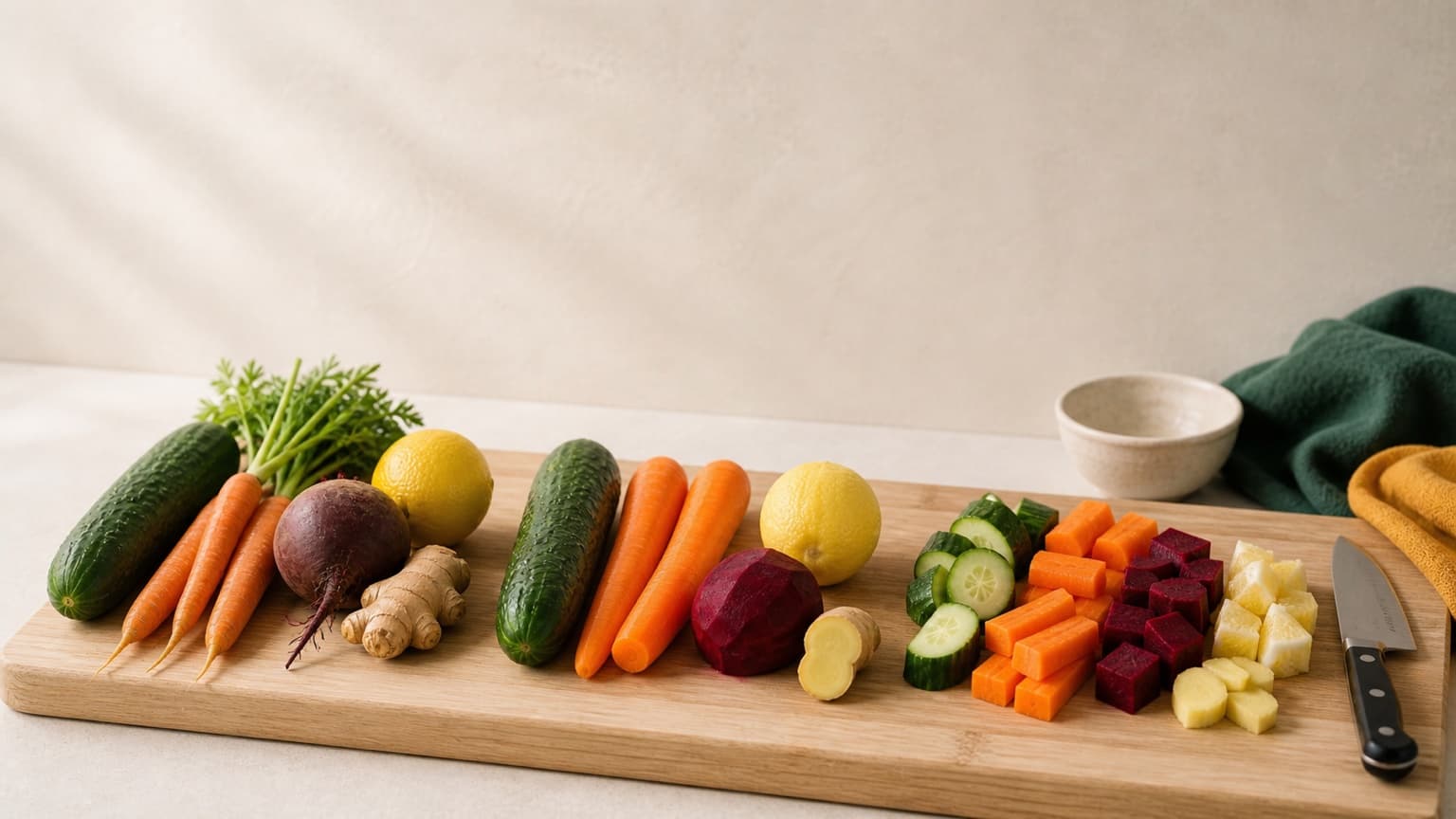
Once you like a base formula, try one new ingredient at a time. A small amount of beet can add earthy depth, mint can make a recipe feel refreshing, and a squeeze more citrus can make green blends taste brighter.
Keep notes somewhere low-effort: a phone note with the date, the recipe, and one word about the result. Two weeks of one-word reviews teaches you more about your palate than any list of best juices ever will, and it makes restocking decisions automatic.
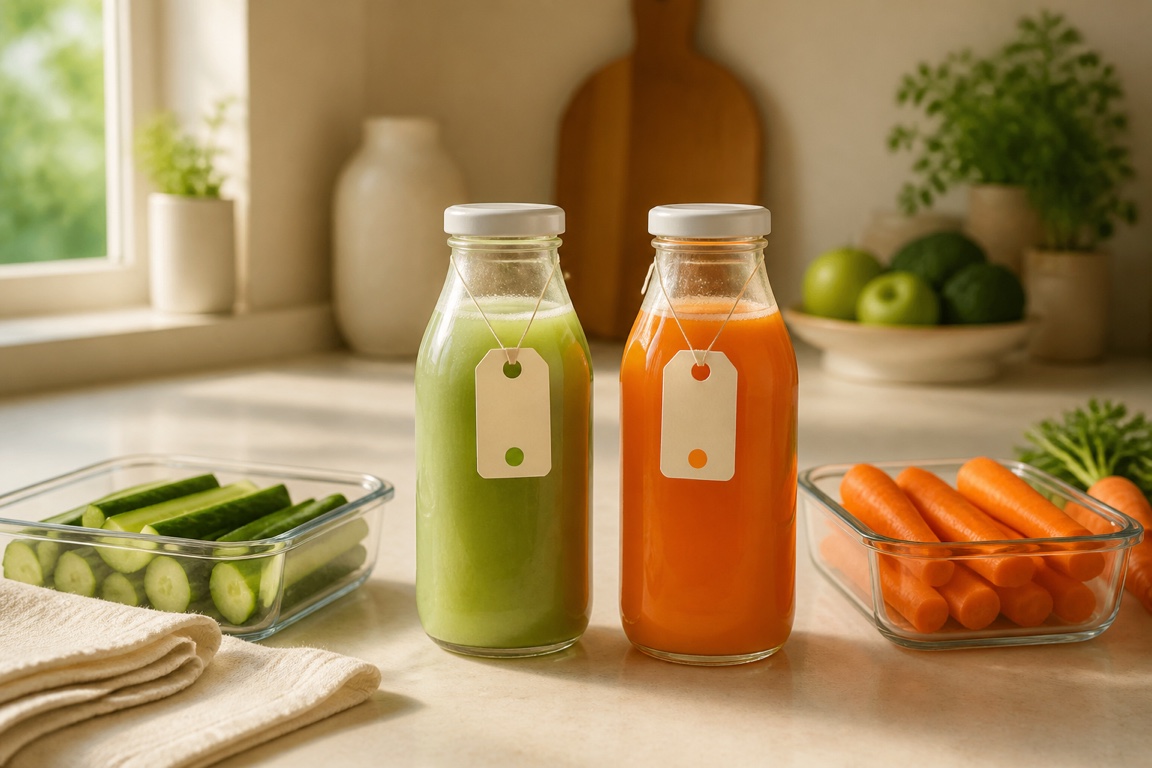
Expect fresh juice to change in the fridge, too. By the next morning a green juice usually shows a pale foam cap over a darker layer, which is normal settling rather than a mistake. A gentle swirl brings it back together; keep it chilled and drink it within a conservative window of a day or two.
This site uses conservative recipe and nutrition language such as vitamin C-rich, carotenoid-rich, hydration-focused, and produce variety. It is about flavor and planning, and it does not promise medical outcomes.
Frequently asked questions
What is the easiest thing to juice for beginners?
Cucumber is the easiest place to start. It is mild, inexpensive, high in water, and needs nothing more than a wash and a rough chop. One large cucumber gives roughly a cup of juice, so it builds volume fast while you practice feeding, tasting, and cleanup.
What is a good juice recipe for beginners?
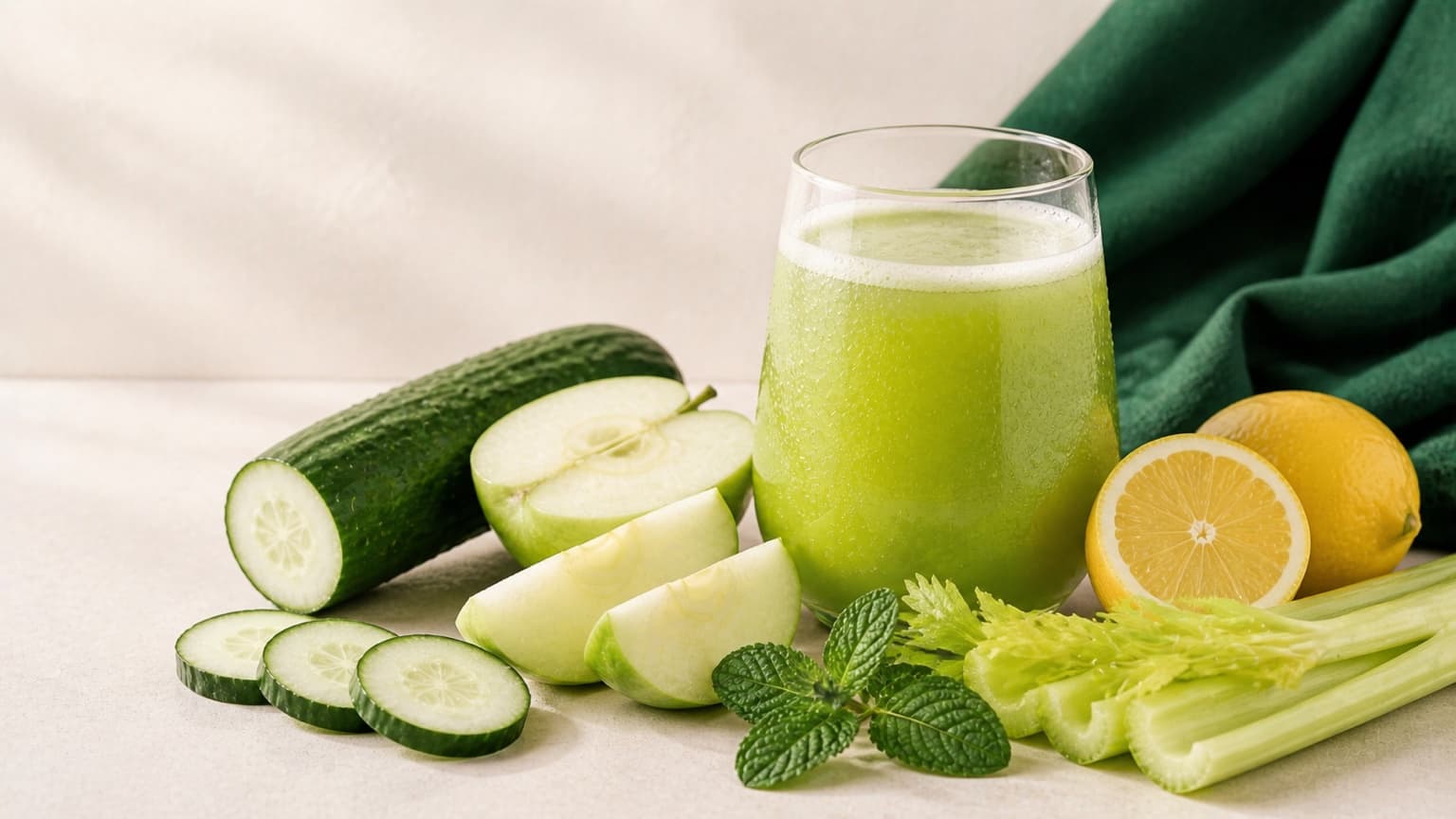
Cucumber, green apple, lime, and mint is a friendly first recipe because it is mild, refreshing, and very easy to adjust. It is published here as the Cucumber Mint Cooler. If you prefer something sweeter, carrot with orange, lemon, and a little turmeric is just as forgiving.
How many ingredients should a beginner juice have?
Three to five ingredients is usually enough. Smaller formulas make it easier to learn what each ingredient contributes and to fix a juice that tastes off. Once a three-ingredient blend feels routine, add a fourth, one at a time, instead of jumping to crowded recipes.
Do you need an expensive juicer to start juicing?
No. Any working juicer you already have is fine for learning. Focus on simple recipes and forgiving produce first, and upgrade gear later only if juicing becomes a regular habit. Skill with a modest machine beats an expensive juicer that stays in the cupboard.
Why does my green juice taste bitter or too earthy?
Usually there are too many strong greens or roots and not enough mild base or brightness. Add cucumber for volume, then a little lemon or green apple for lift. Kale, beet, and ginger are the usual suspects, so halve them before changing anything else.
How much juice should a beginner make at once?
Start with one or two servings so you can drink it fresh. Fresh raw juice is perishable, so it is better to make a little and enjoy it than to over-produce and store it past a conservative window of roughly a day or two refrigerated.
Keep exploring
Related ingredients
Planning tools & products
This website provides general recipe and nutrition education only and is not medical advice. Calories are estimates. Fresh raw juice is perishable — refrigerate promptly and discard questionable juice. Use juices as part of a normal eating routine, not as a cleanse, fast, or meal-replacement program.