
Guides without the fluff.
Learn how to store fresh juice, make green recipes taste better, compare juice and smoothies, and build beginner-friendly blends with conservative nutrition language.
How Long Does Cold-Pressed Juice Last?
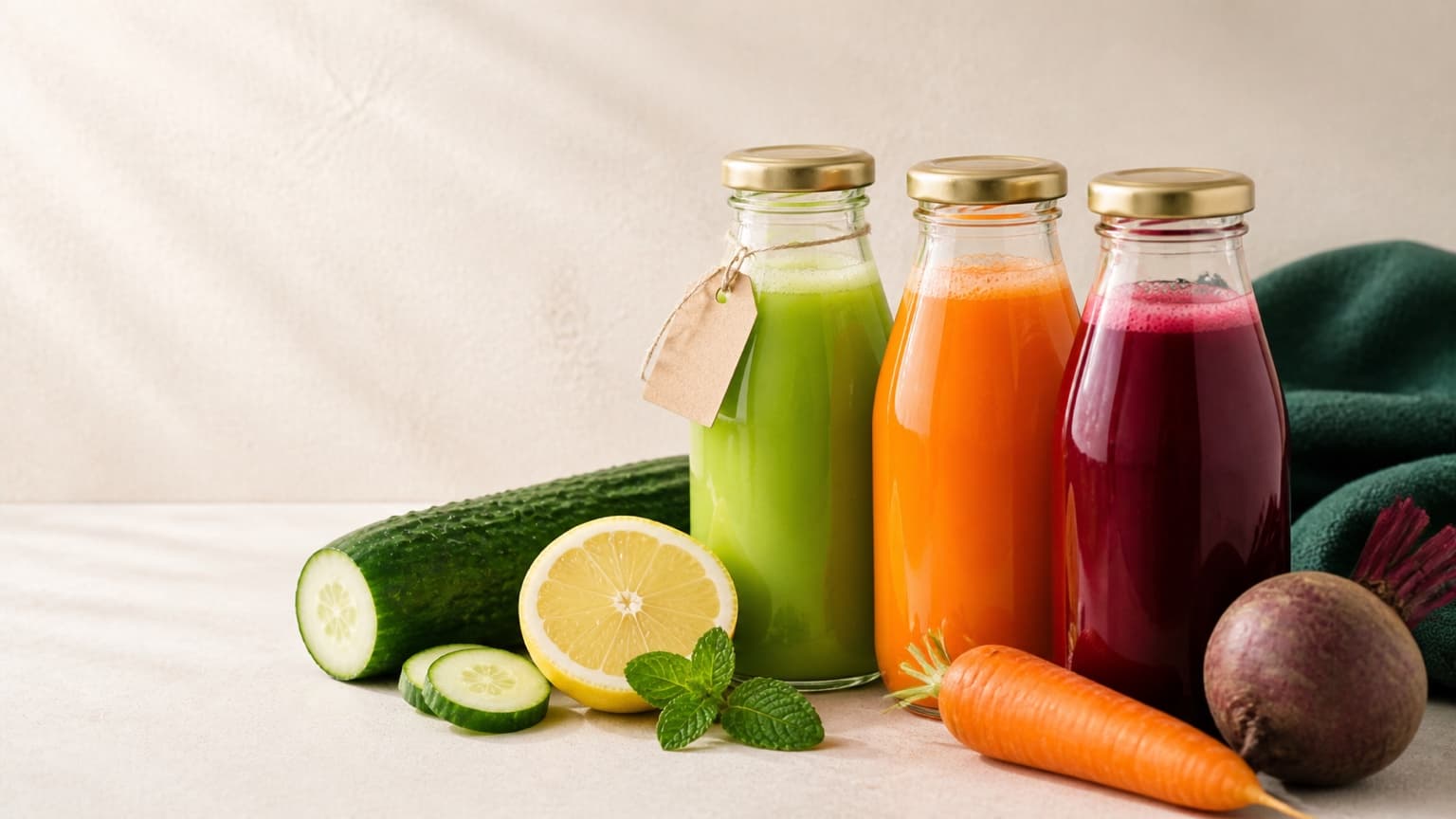
How long does cold-pressed juice last? Treat it as a perishable food: most home batches taste best the same day, while bright citrus blends often hold 24 to 36 hours and root-forward blends 24 to 48 hours when bottled cleanly and chilled fast. These are practical planning ranges, not safety guarantees. If storage history is uncertain or the juice shows spoilage cues, discard it without tasting.
Storage guide · 11 min read · Updated June 2026
All guides
More to read.
Flavor guide · 9 min read
How to Make Green Juice Taste Better
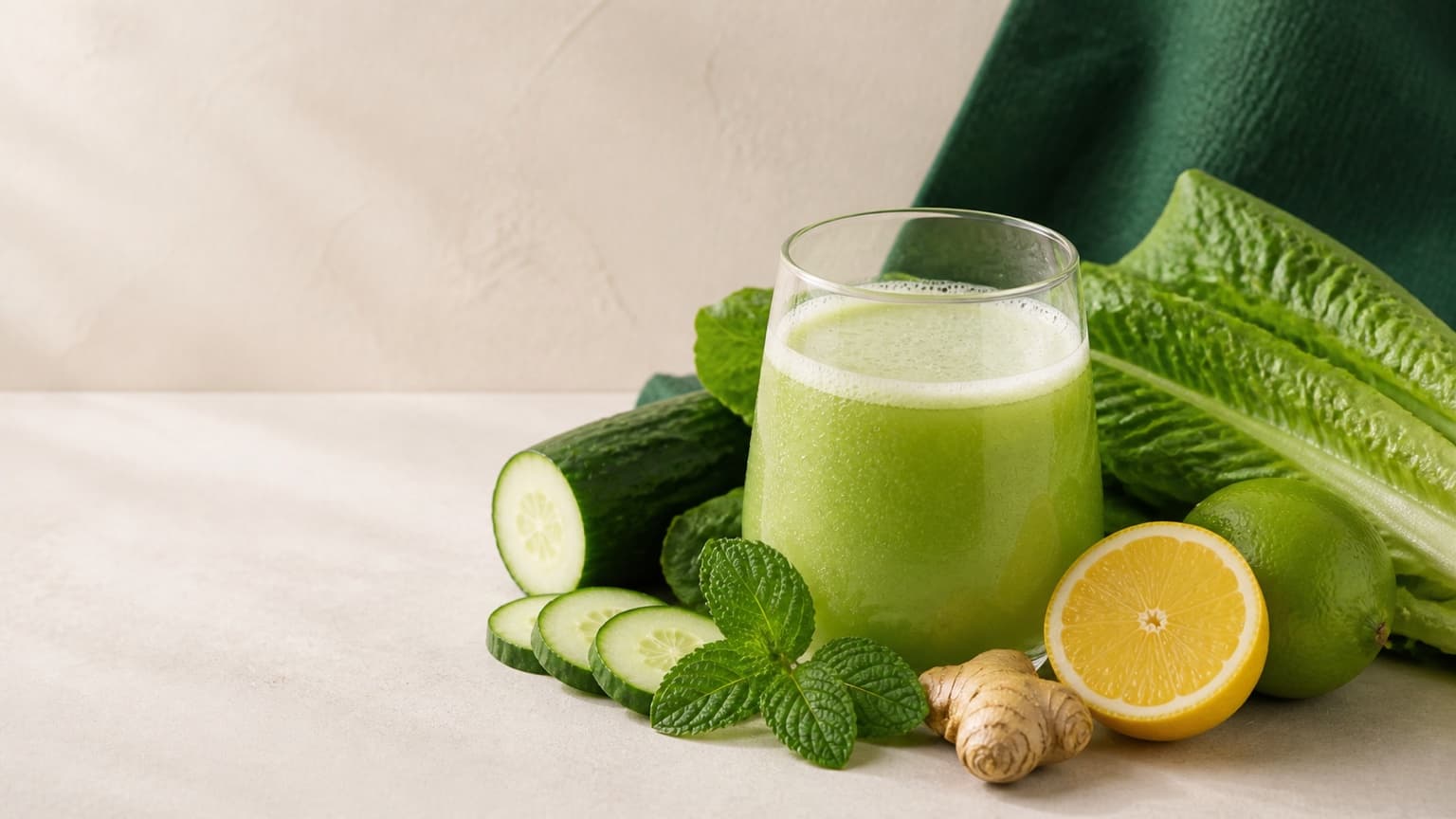
To make green juice taste better, fix the ratio before you add anything sweet: build on a mild base like cucumber, keep strong greens to a third or less of the glass, and finish with a brightener like lemon or ginger. Most bad green juice is a proportion problem, not a kale problem — and brighteners beat sugar every time.
Read guide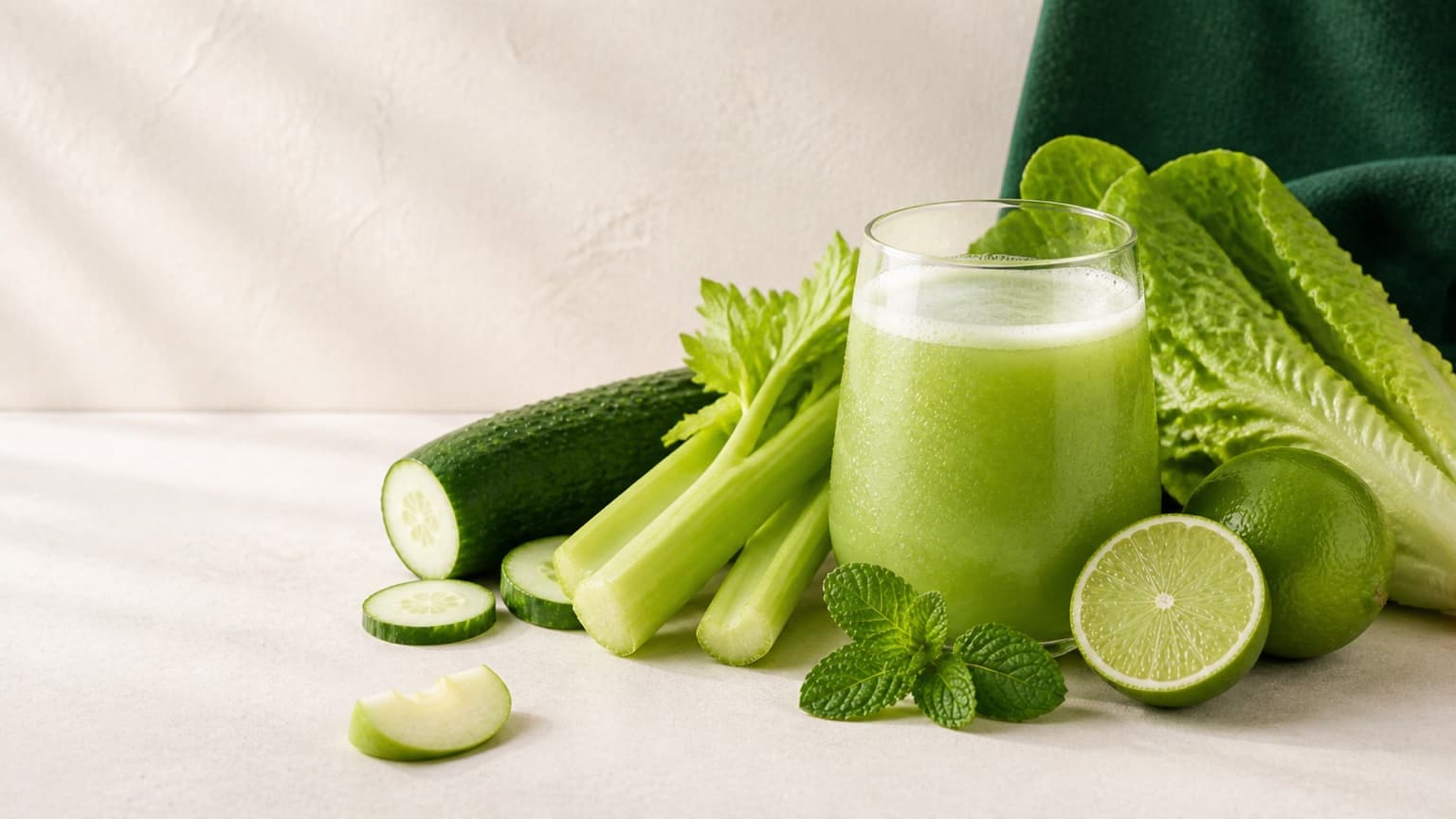
Lower-sugar guide · 9 min read
Low Sugar Juice Recipes: A Vegetable-Forward Guide
Low sugar juice recipes start with vegetables instead of fruit: a cucumber, celery, or romaine base, a citrus accent for brightness, and herbs for interest. Instead of cutting sweetness all at once, swap one sweet ingredient per batch for a milder one and let your taste adjust. The result is a glass that reads crisp rather than dessert-sweet.
Read guide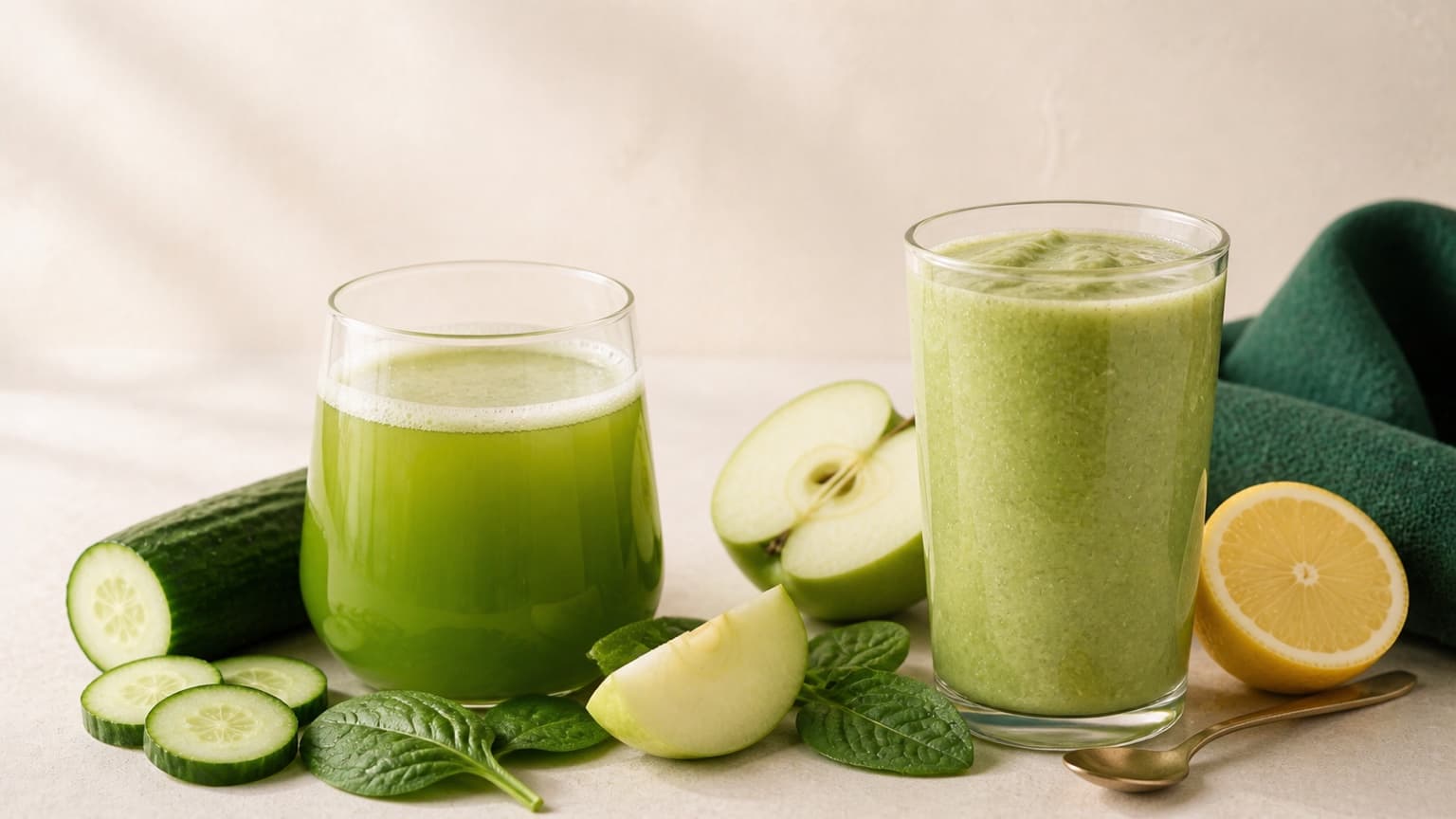
Comparison guide · 8 min read
Cold-Pressed Juice vs Smoothies: Fiber, Equipment & Effort
Cold-pressed juice separates liquid from much of the pulp; an unstrained smoothie blends the edible produce and keeps its fiber. Choose juice for a thin drink or a smoothie when retaining the whole ingredient matters. This comparison covers equipment, texture, produce use, and cleanup so you can start with the machine you already own.
Read guide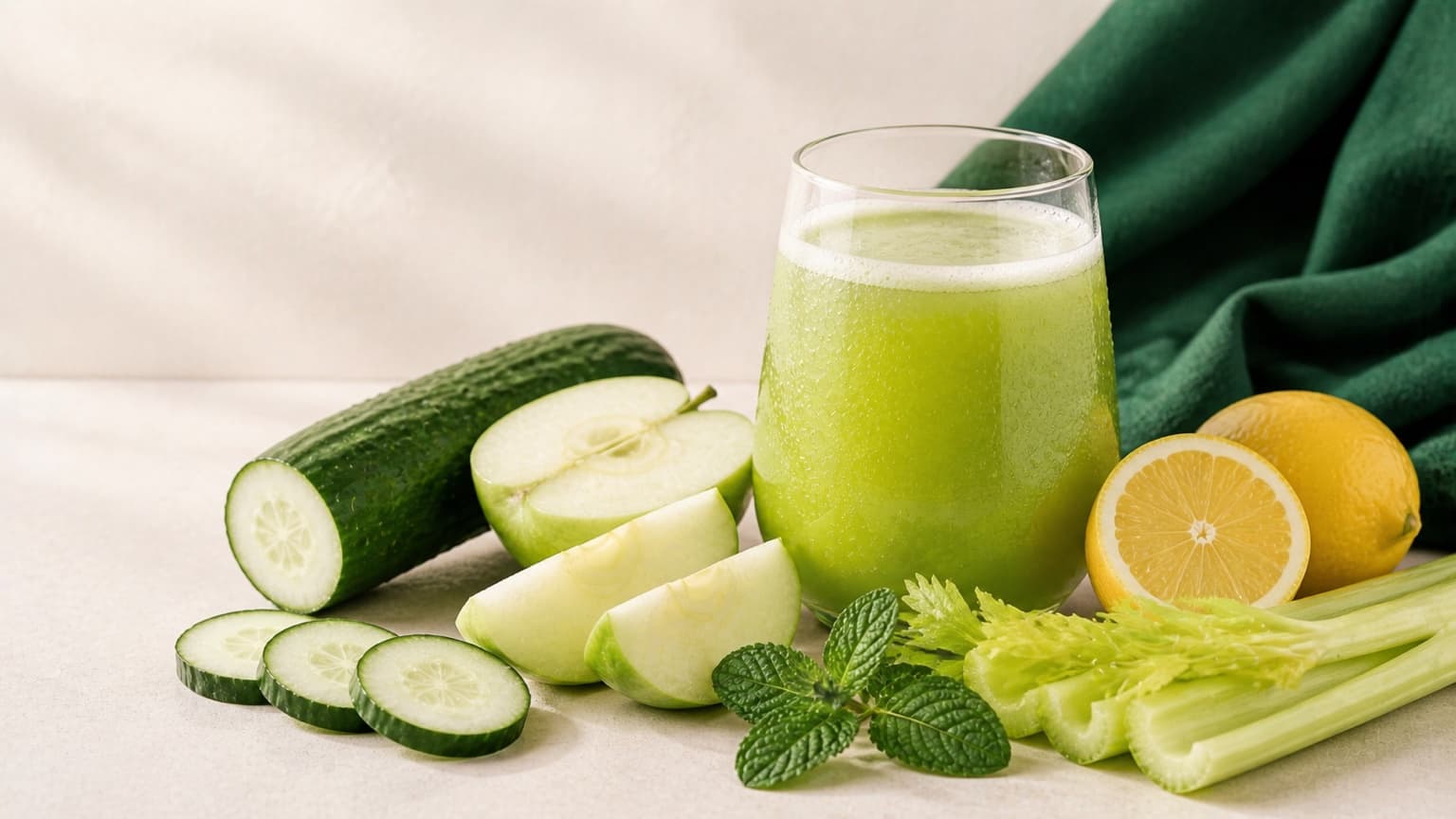
Beginner guide · 11 min read
Juicing Recipes for Beginners: Simple Cold-Press Formulas
The best juicing recipes for beginners are simple, mild, and easy to adjust: one base, one brightener, one optional sweet accent, and one gentle green. This guide gives you five real cold-press combinations, a first-week rhythm, and the habits that keep early juicing enjoyable instead of overwhelming.
Read guide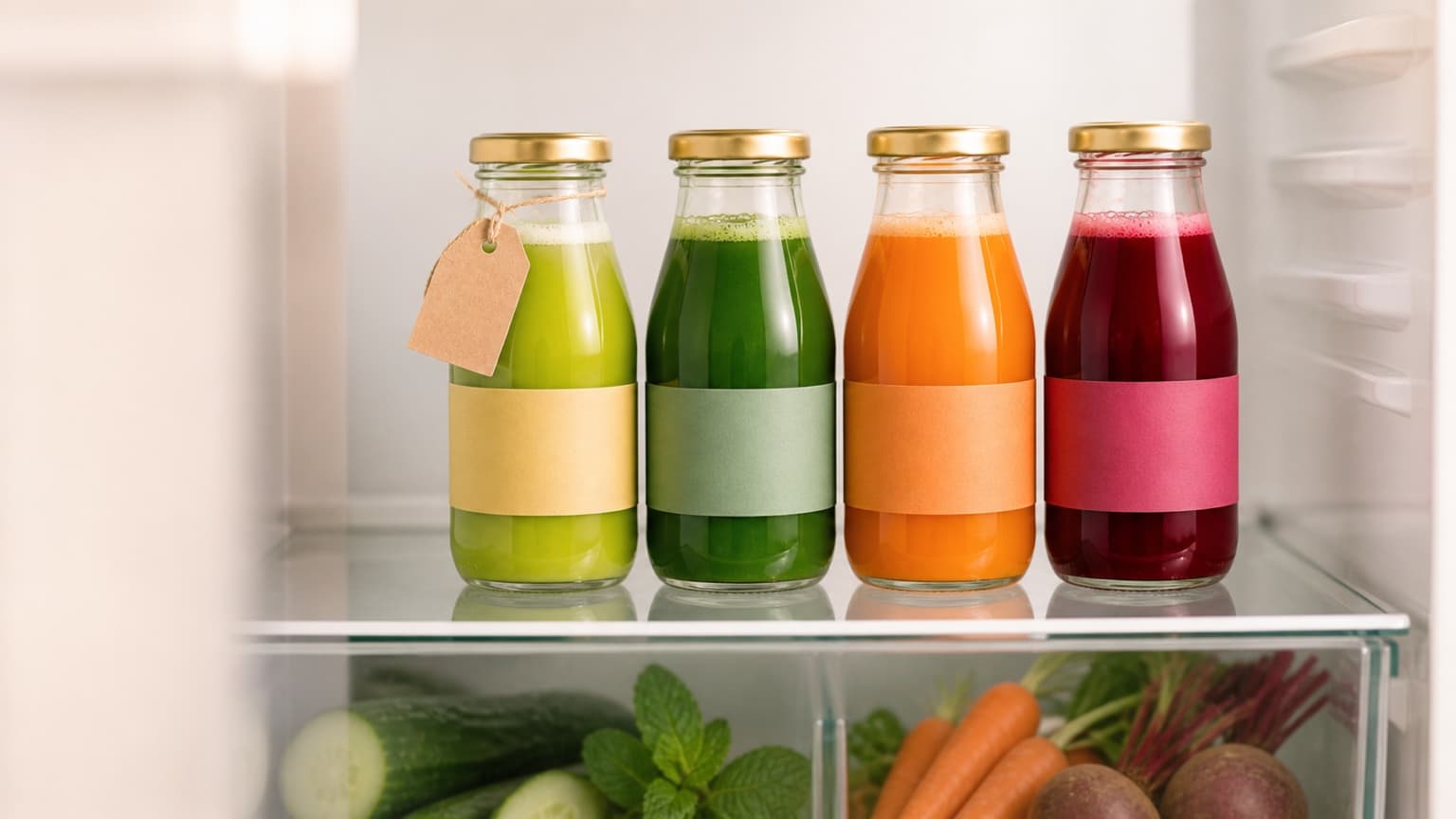
Storage guide · 12 min read
How To Store Fresh Juice
How to store fresh juice comes down to four habits: bottle it cleanly, refrigerate it right away, fill the container close to the top, and drink it within a short, conservative window. This guide covers the best containers, storing juice in mason jars, how to arrange the fridge, the freshness cues worth checking, and the small mistakes that quietly shorten a juice's life.
Read guide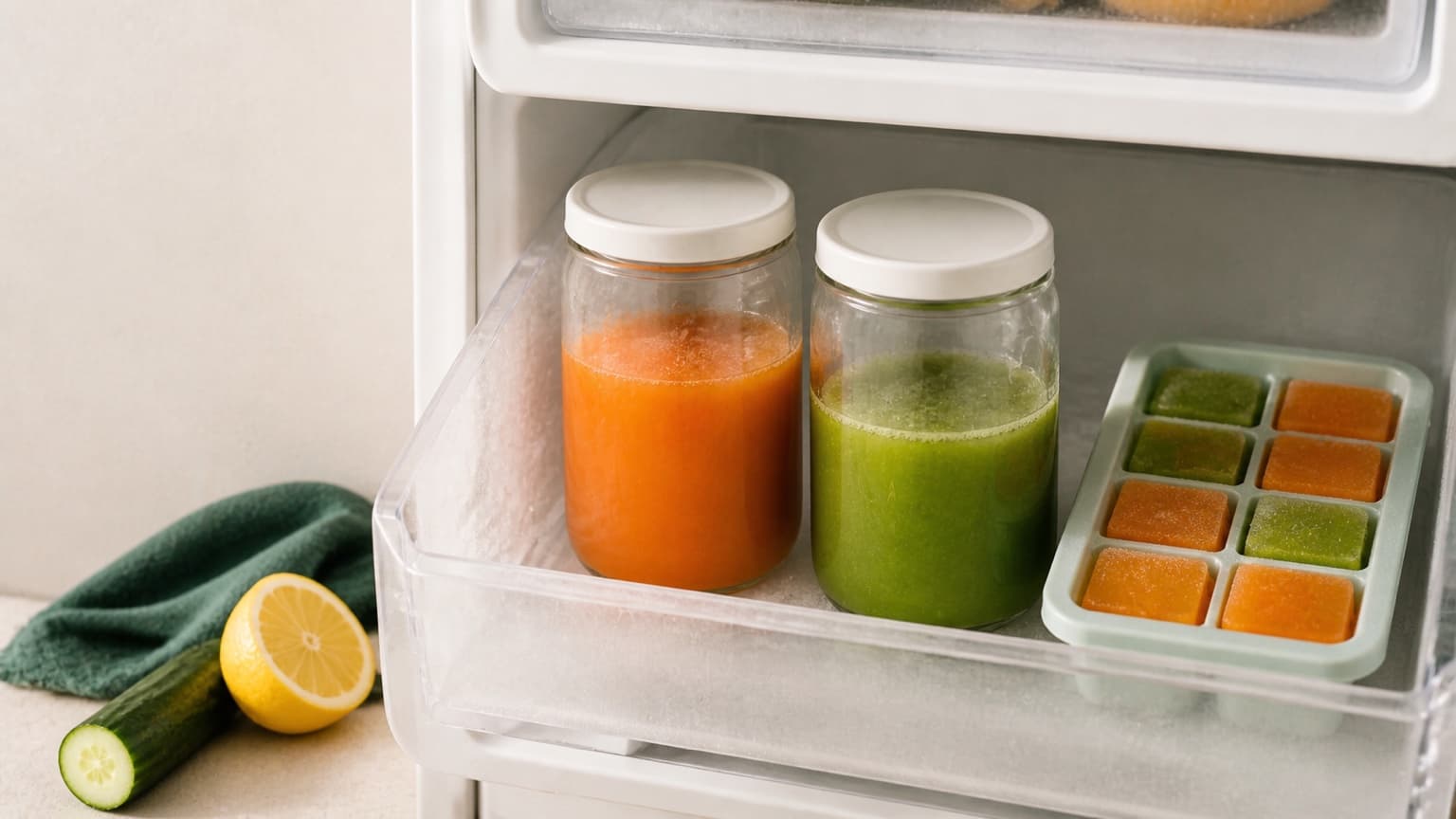
Storage guide · 10 min read
Can You Freeze Cold-Pressed Juice?
Can you freeze cold-pressed juice? Yes, and it is a useful planning move, but treat it as a flavor-and-convenience choice rather than a freshness guarantee. Use freezer-safe containers, leave headspace for expansion, label clearly, thaw in the fridge, and expect some separation and a flatter taste after thawing.
Read guide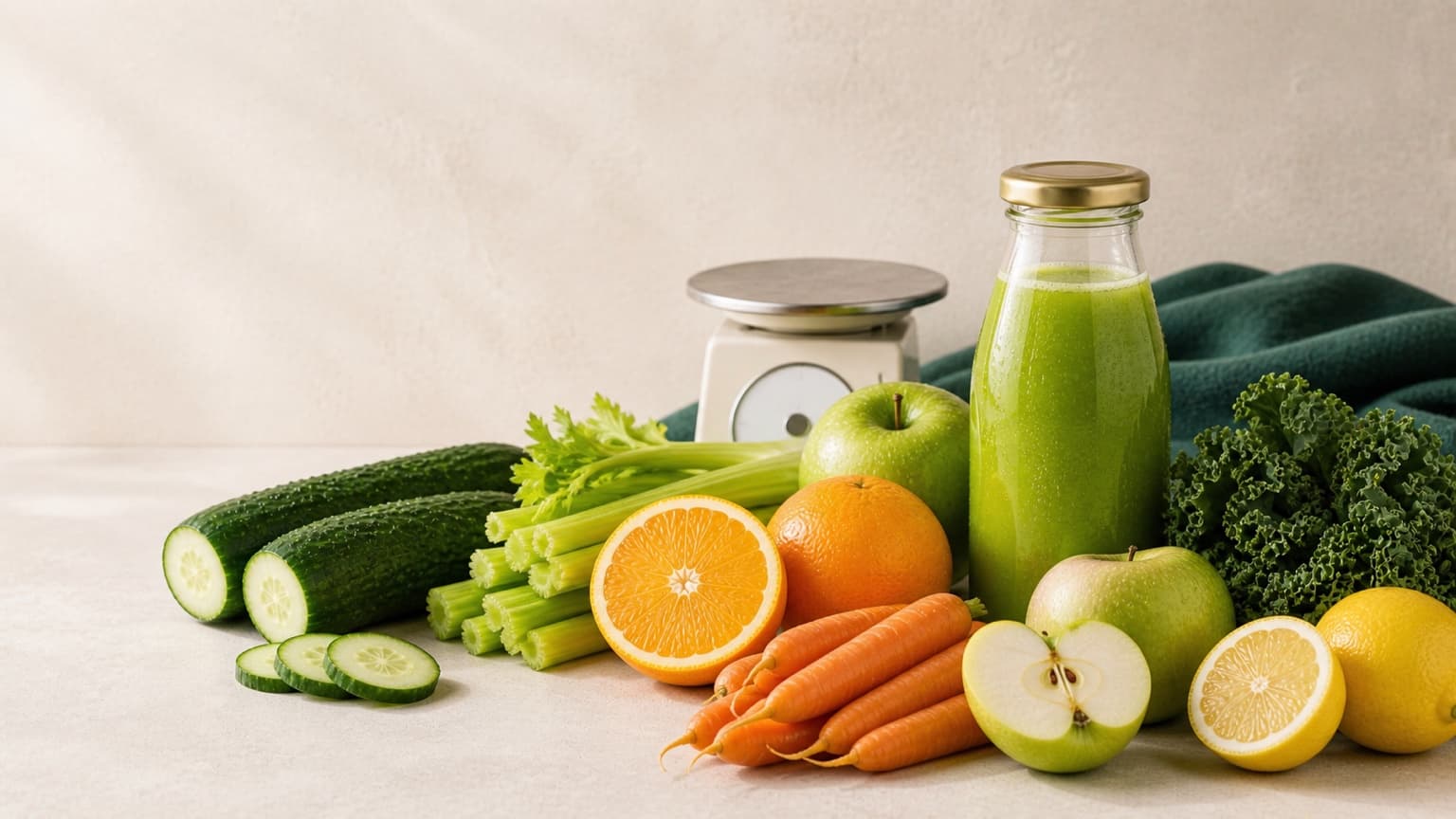
Yield planning · 9 min read
How Much Fruit and Veg Do You Need to Make Juice?
Wondering how much fruit and veg to make juice? As a rough planning rule, about one pound of fresh produce yields 8 to 12 ounces of cold-pressed juice, so a 16 ounce bottle usually takes 1.5 to 2 pounds. High-water ingredients like cucumber and watermelon land near the top of that range, while leafy greens land near the bottom. Treat every number here as an estimate, not a promise.
Read guide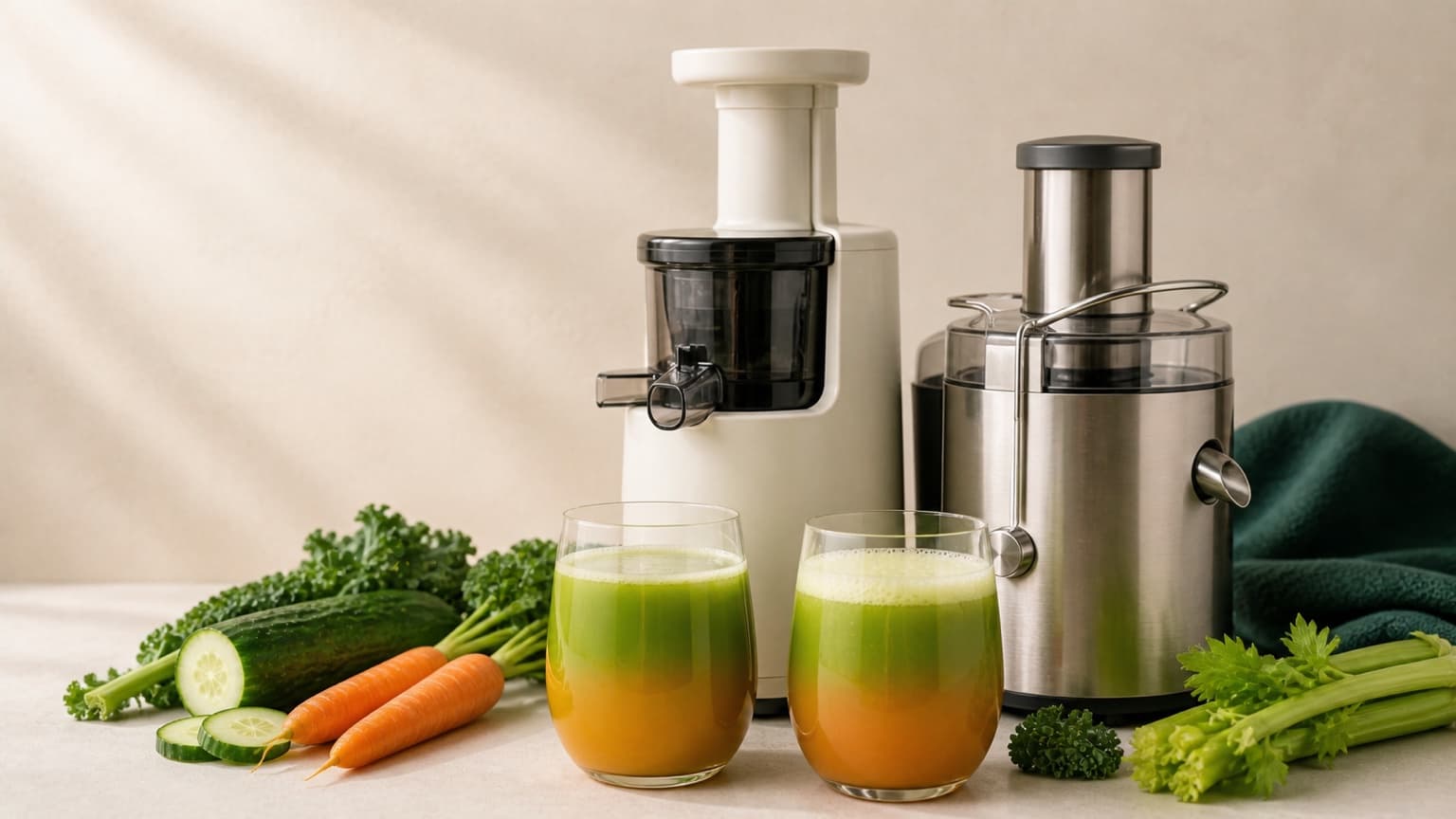
Juicer comparison · 10 min read
Cold Press vs Centrifugal Juicer: What You'll Actually Notice
A cold press (masticating) juicer crushes produce slowly with an auger; a centrifugal juicer shreds it against a fast-spinning basket. At home that translates to quieter, slower pressing with drier pulp and less foam from the cold press, and faster, louder juice from the centrifugal. Beginners can be happy with either — the right pick depends on greens, patience, and budget.
Read guide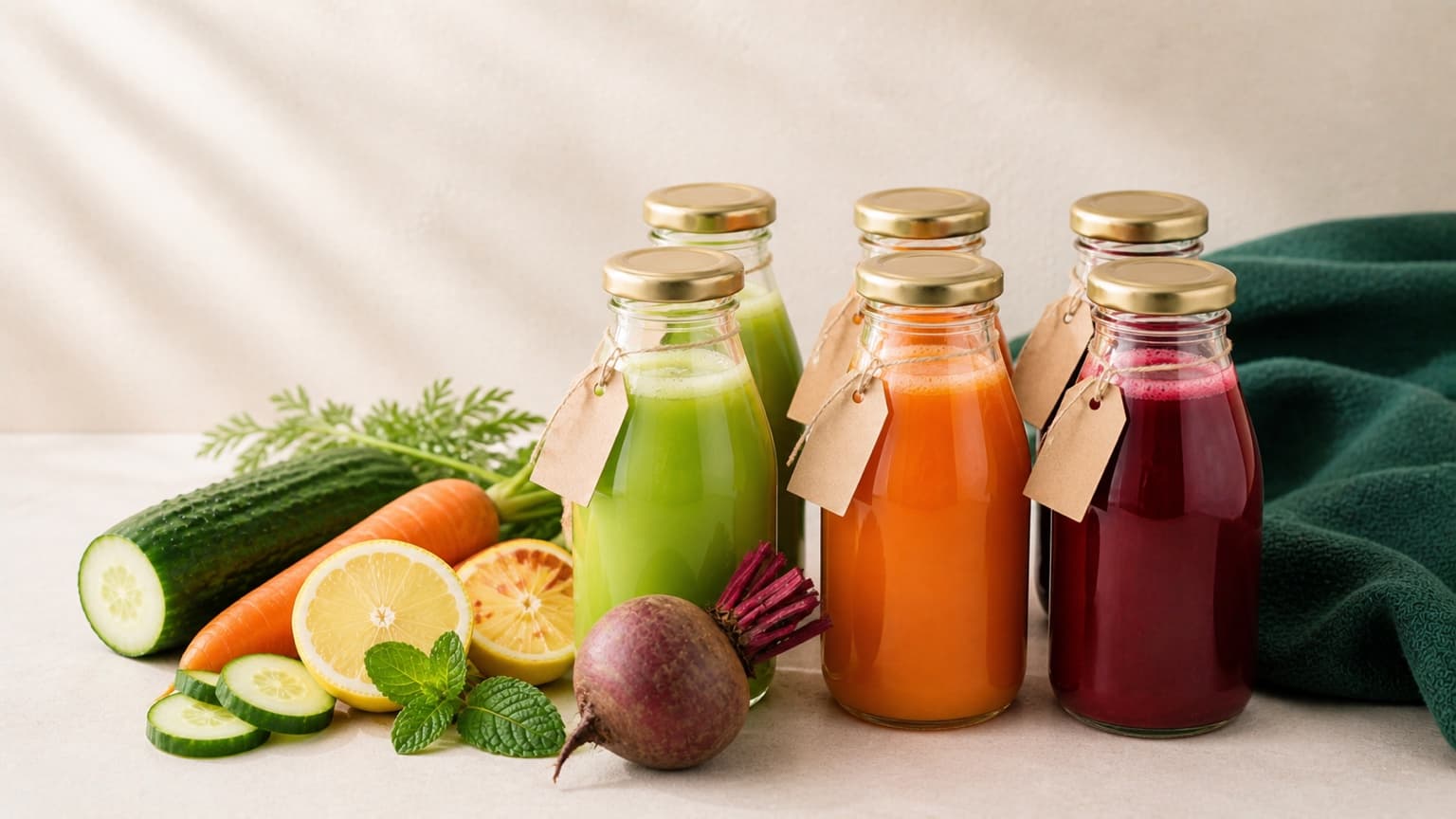
Batch prep guide · 9 min read
Batch Juicing: How Many Days Can You Realistically Prep?
Batch juicing works best in 2 to 3 day cycles, not a full week — fresh raw juice is too perishable for seven fridge days. Press once, bottle four to six servings, drink the most delicate blends first, and press again midweek. This guide covers the workflow, the bottling details, a realistic 3-day plan, and what to do when you genuinely need a week covered.
Read guide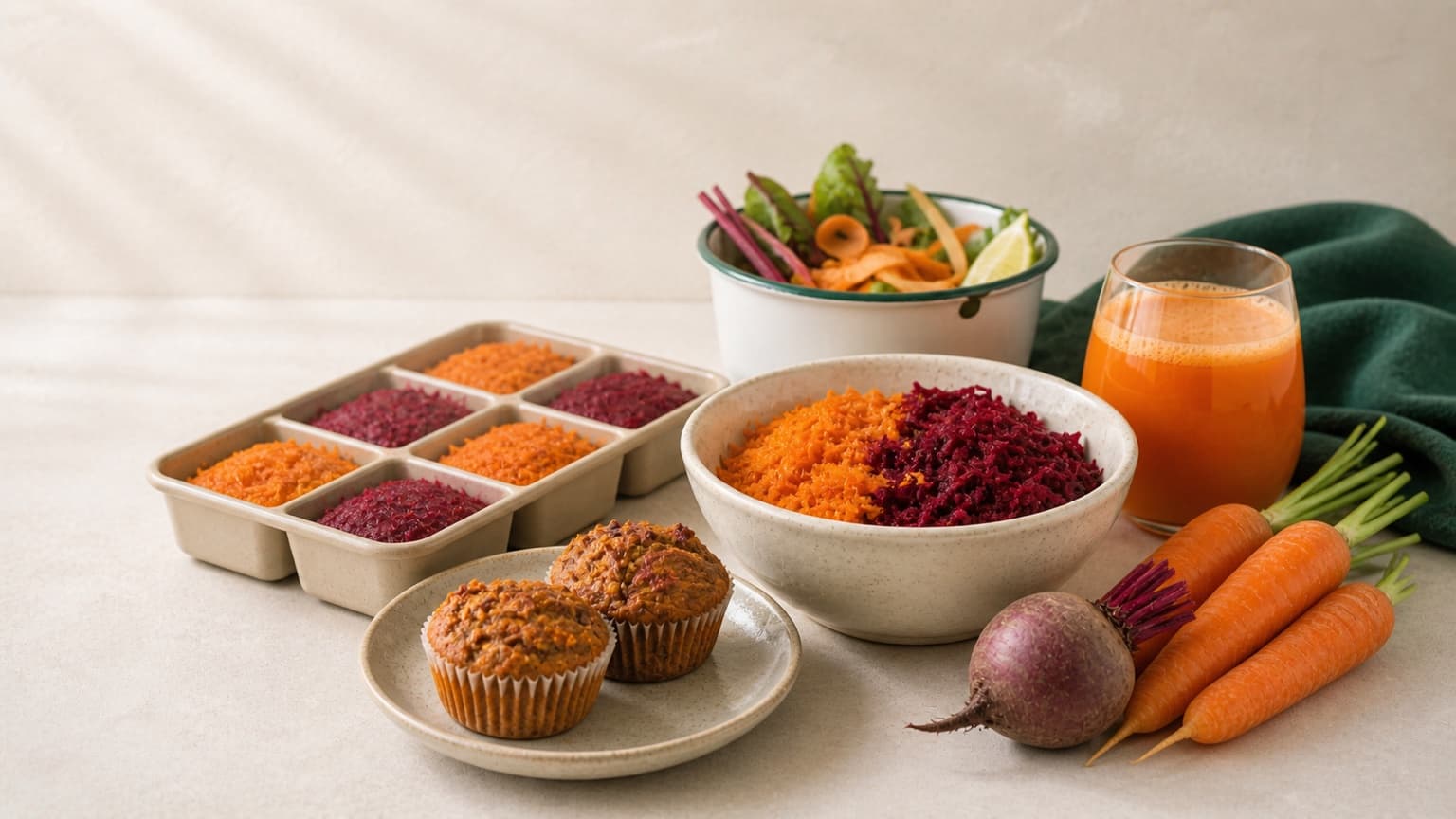
Pulp guide · 9 min read
What to Do With Juice Pulp: Use It, Freeze It, or Compost It
The short answer for what to do with juice pulp: use it the same day or freeze it, because pulp is every bit as perishable as the juice it came from. Mild carrot and apple pulp suits baking, vegetable pulp suits broths and fritters, and bitter or spice-heavy pulp can simply be composted without guilt. This guide sorts the options by pulp type.
Read guide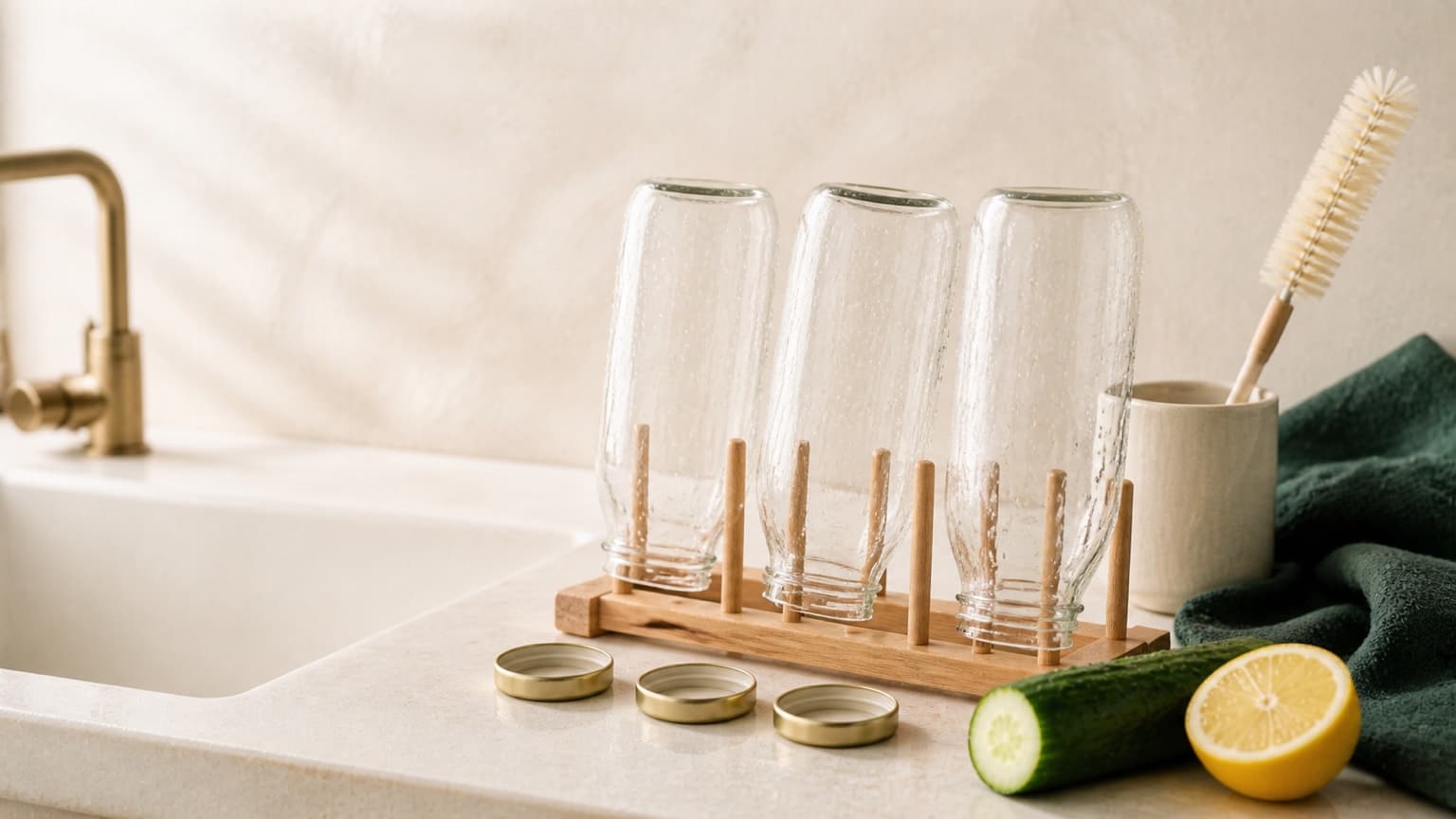
Maintenance guide · 8 min read
How to Clean Juice Bottles, Caps, and Seals
Clean juice bottles after each use with warm, soapy water, a suitable brush, and a thorough rinse. Remove caps and any seals designed to come apart, then let every part air-dry before storage. Check the manufacturer’s directions before using a dishwasher, heat, or other cleaners: the bottle and lid may need different care.
Read guide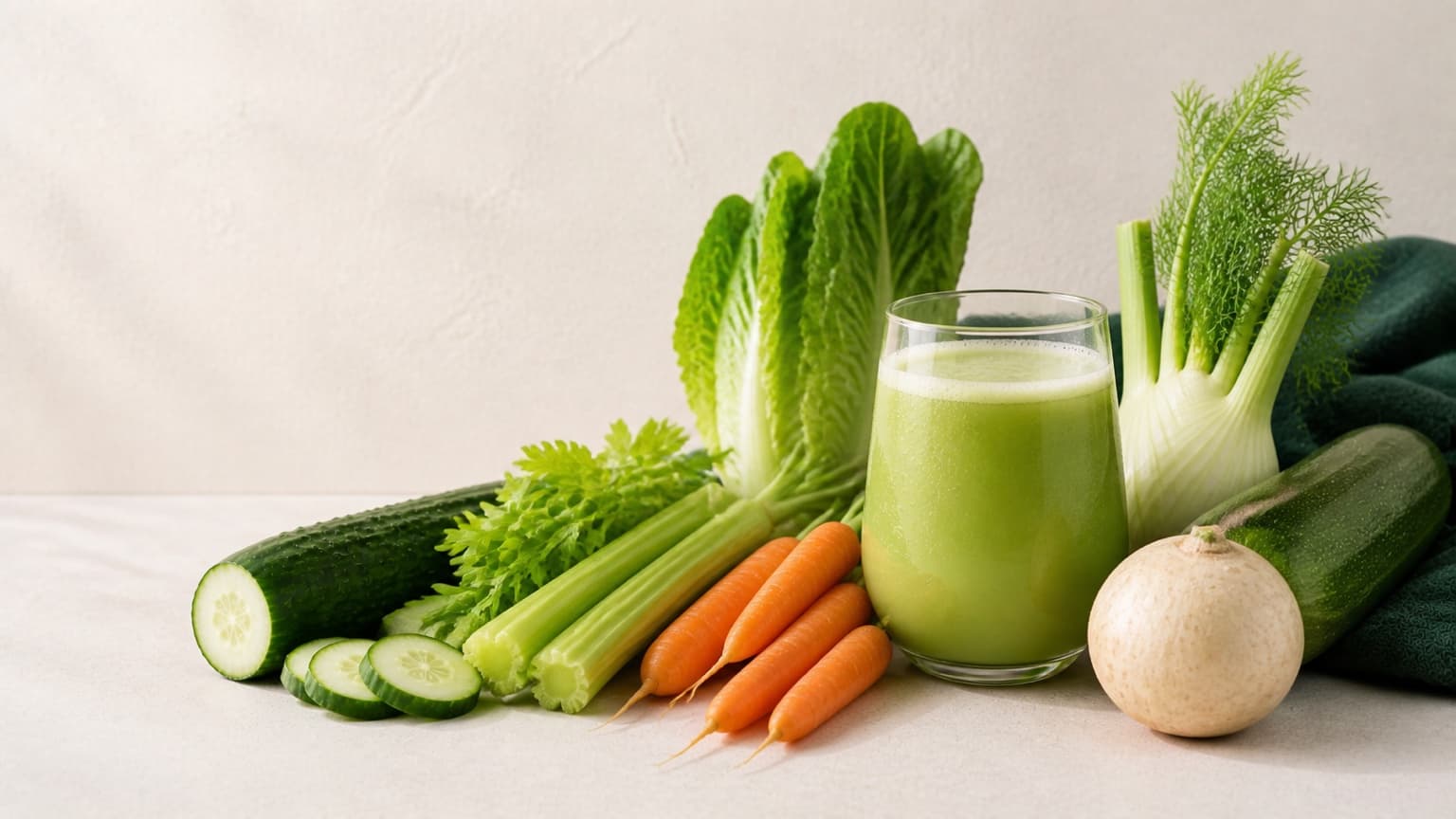
Beginner guide · 11 min read
The Best Vegetables for Juicing (and What to Skip)
Start with cucumber for a mild base, carrot for a sweeter flavor, or celery for a savory direction; add a small amount of romaine or spinach if you want a gentle green. The best vegetables for juicing depend on your taste and machine. These qualitative comparisons help you choose ingredients; they are not measured yield rankings.
Read guide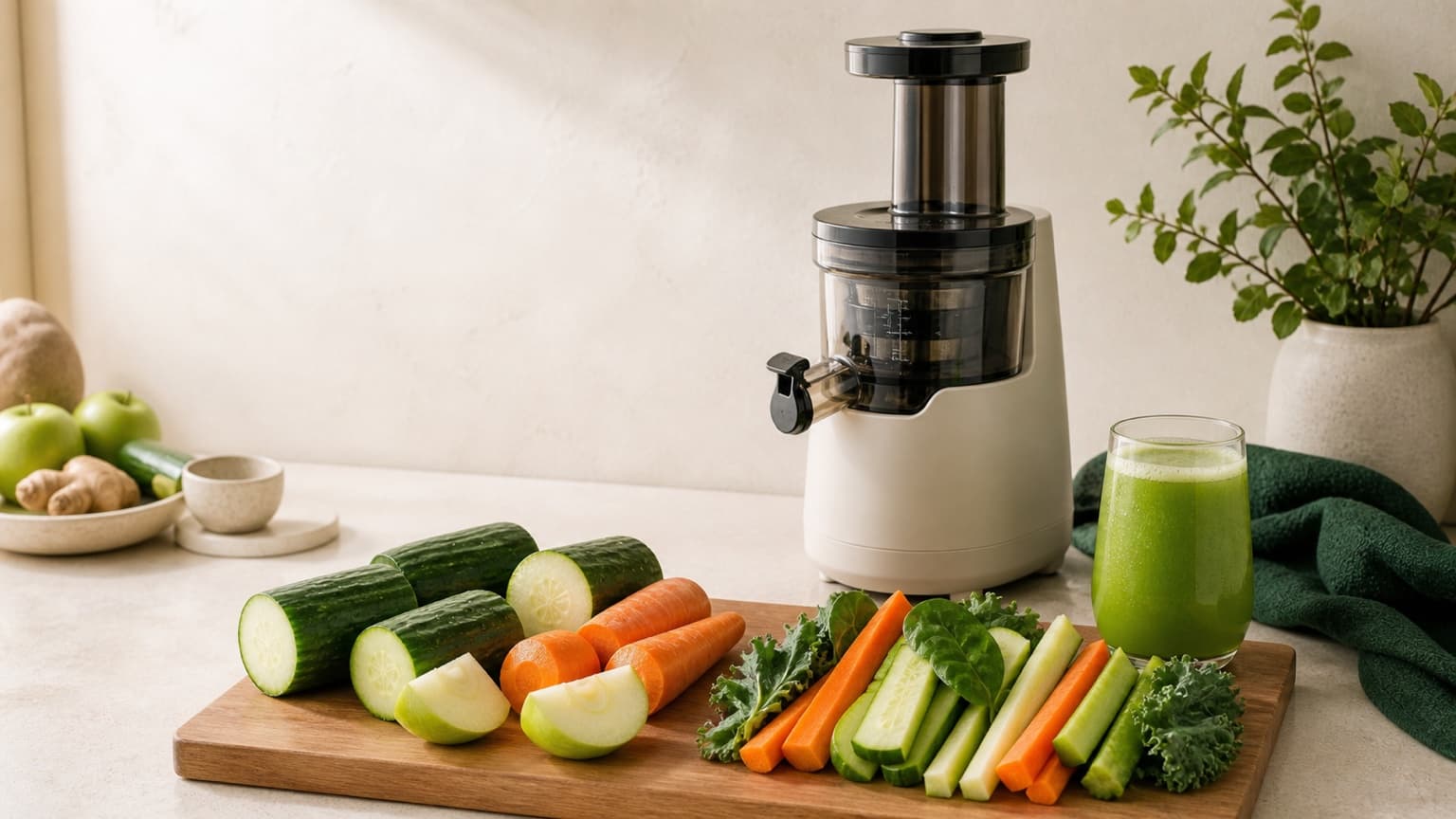
Beginner guide · 9 min read
Juicing Mistakes Beginners Make (and the Easy Fixes)
Most juicing mistakes beginners make are planning mistakes, not machine mistakes: juicing only fruit, skipping a mild base, overstuffing the chute, and making more than you can drink fresh. This guide groups the common ones by produce, prep, machine, storage, and flavor, and gives a concrete fix for each.
Read guide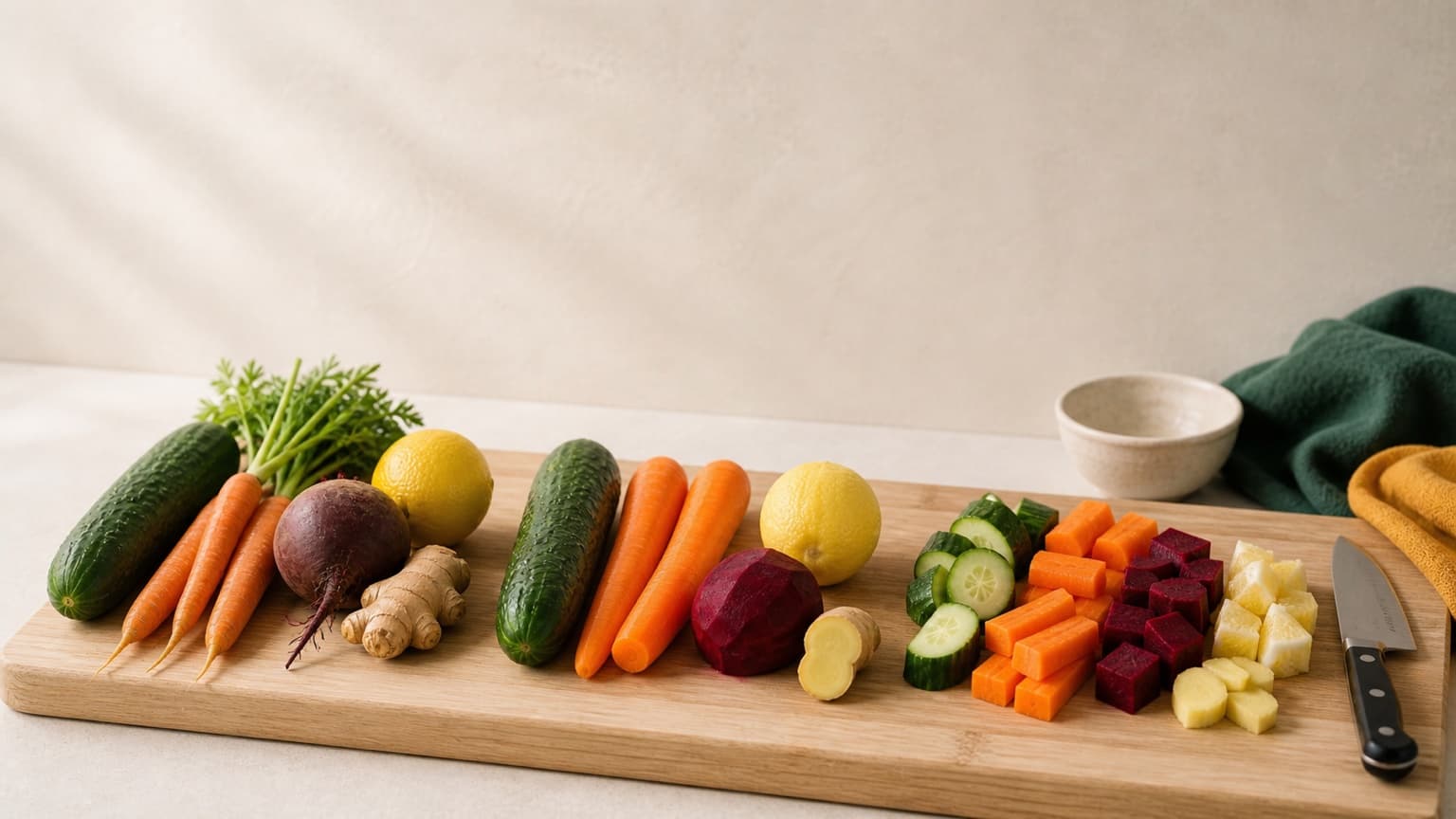
Beginner guide · 10 min read
How to Prep Produce for Juicing: Peel, Seeds, and Chop Size
How to prep produce for juicing is simpler than it looks: most ingredients need only a wash and a rough chop. The real questions are the edge cases, citrus peel, ginger skin, beet skin, apple seeds, and kale stems, so this guide settles each one in a single table, then covers chop size, feed order, and night-before prep.
Read guide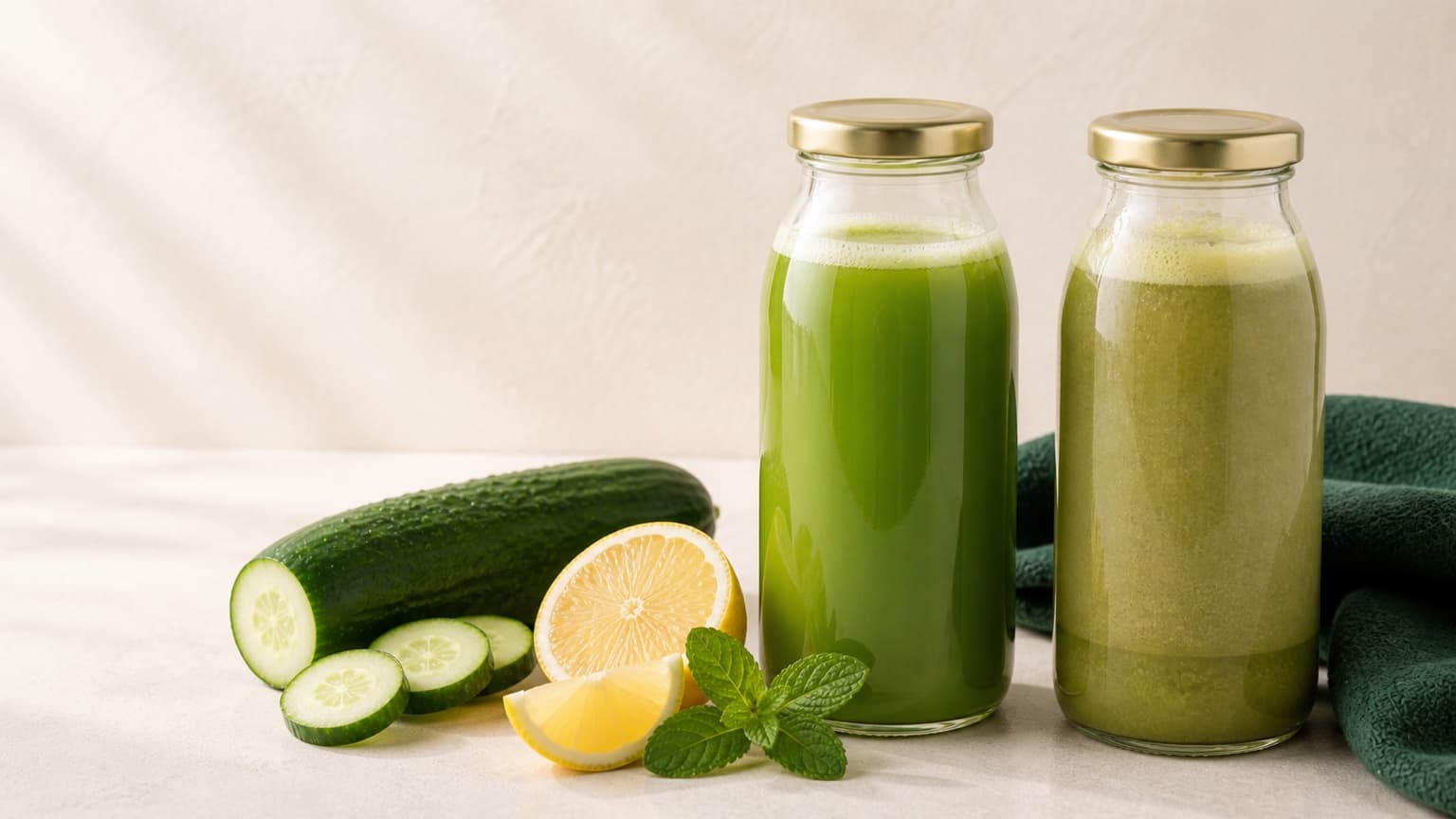
Storage guide · 8 min read
How To Tell If Fresh Juice Has Gone Bad
Discard fresh juice after unsafe or uncertain storage, or if you notice mold, swelling, unexpected fizz, leakage, slime, or an off odor. These signs can show that juice has gone bad, but their absence cannot prove safety: harmful bacteria may leave no visible change. Never taste a questionable bottle to decide whether to keep it.
Read guideContent note
This website provides general recipe and nutrition education only and is not medical advice.