
Vitamin C-rich bright recipe
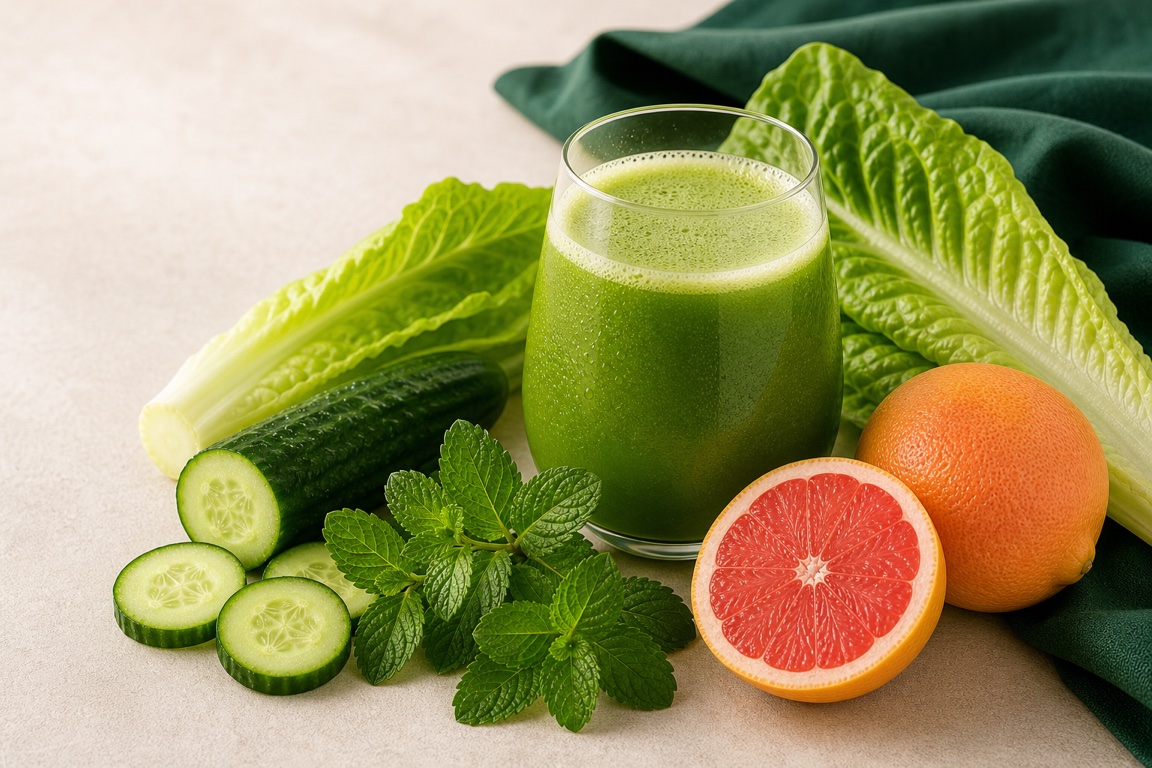
Lemon Lime Romaine Spark
A bright green-citrus bottle built around mild romaine.
~12 oz
Learn which ingredients actually pair — by color, flavor, and role — so you build balanced bottles on purpose, then run a color-coverage week and watch "N of 6 families" fill in as you go.
Focused purchase
Pay $49 once for this product and keep its dashboard under your existing login.
Want the whole system?
Choose $9.99 monthly, $49 annually, or $97 lifetime access for the ten currently included products and the included member system.
Compare Founding Member AccessStep inside
This is the guided dashboard you log into — the actual thing buyers use after checkout.
What you walk away with
See what you actually make
Real food photography on every recipe card — no clip-art.
Vitamin C-rich bright recipe
A bright green-citrus bottle built around mild romaine.
~12 oz
Vitamin C-rich bright recipe
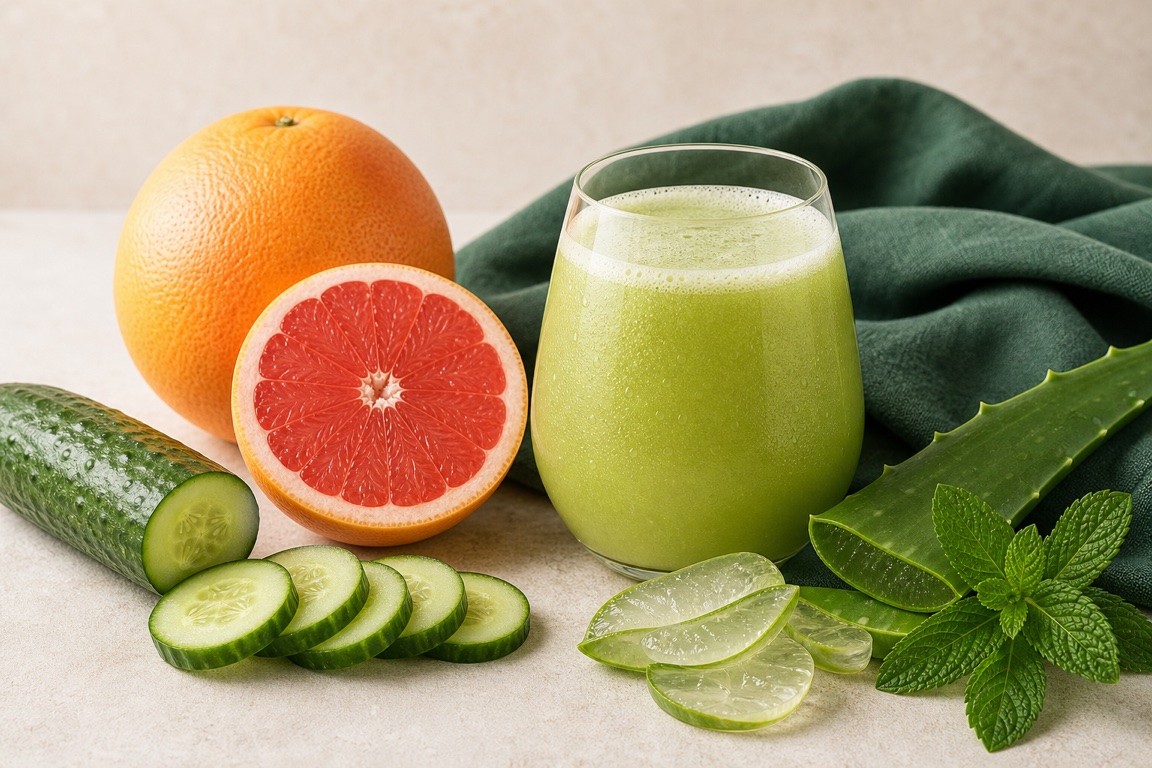
Tart grapefruit with cucumber and mint for a low-sweetness finish.
~12-14 oz
Vitamin C-rich bright recipe
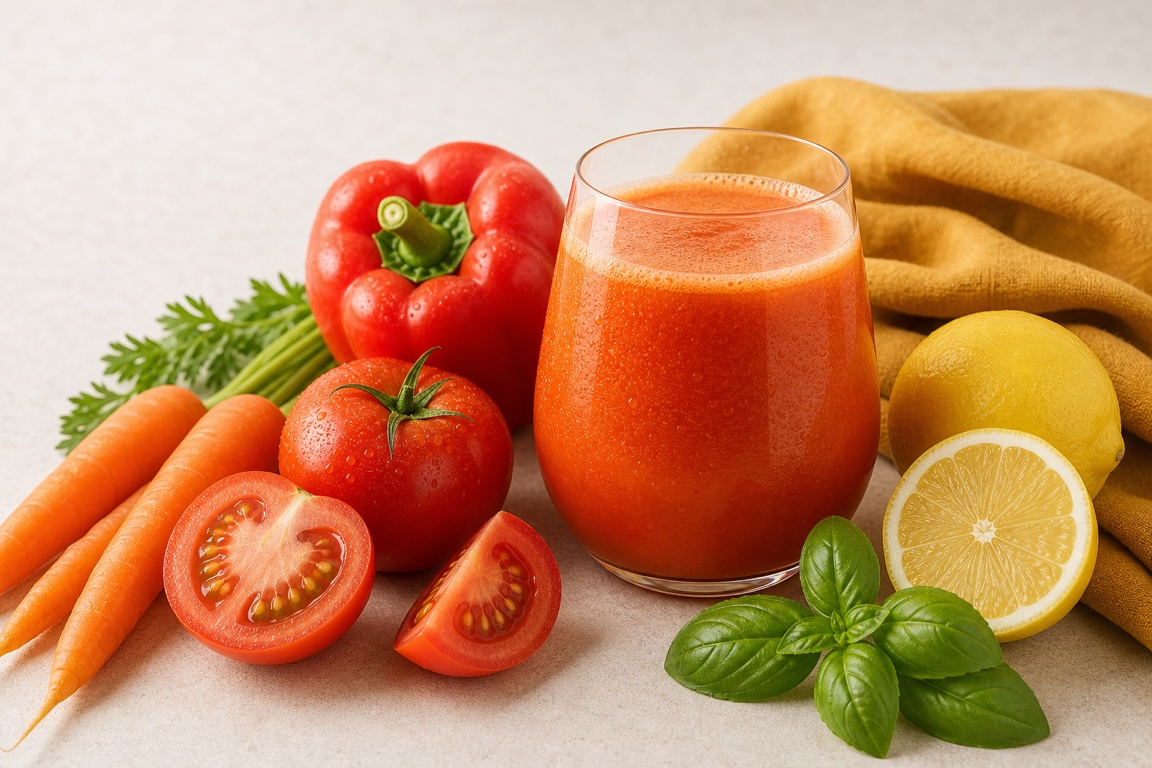
A red-orange blend that uses vegetable sweetness and citrus brightness.
~12 oz
Vitamin C-rich bright recipe
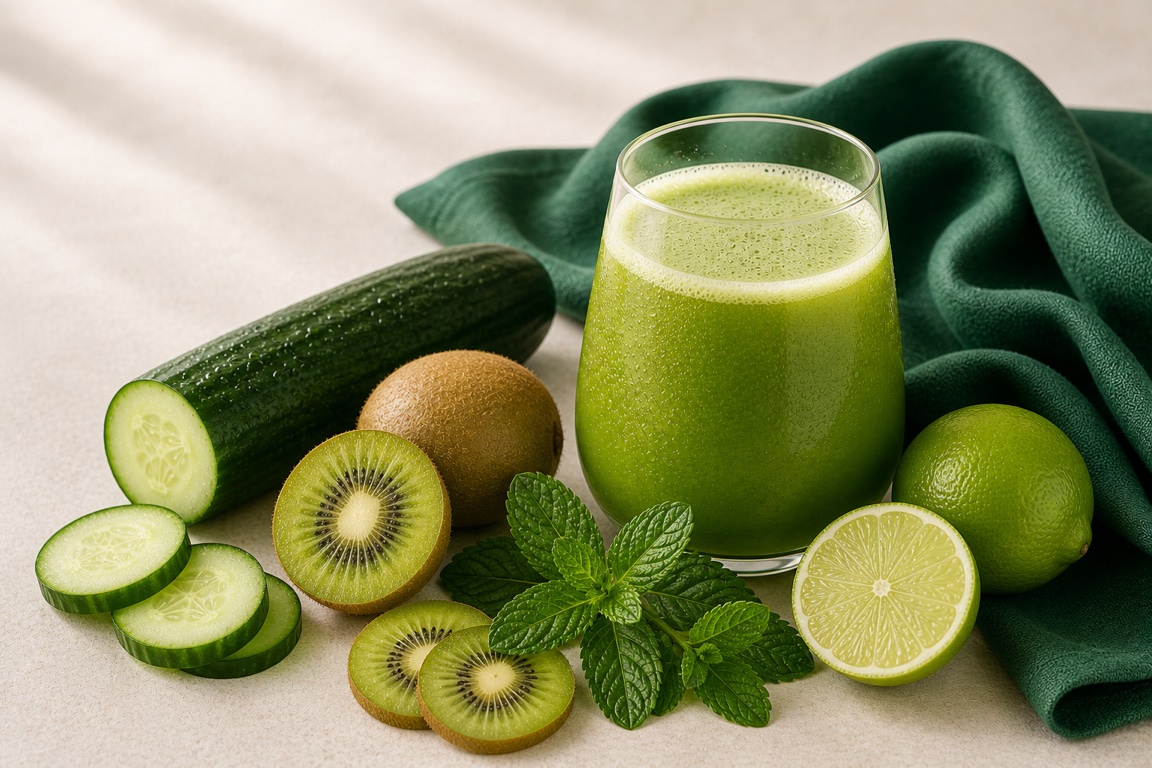
A tart green accent juice with cucumber, spinach, kiwi, and lime.
~12 oz
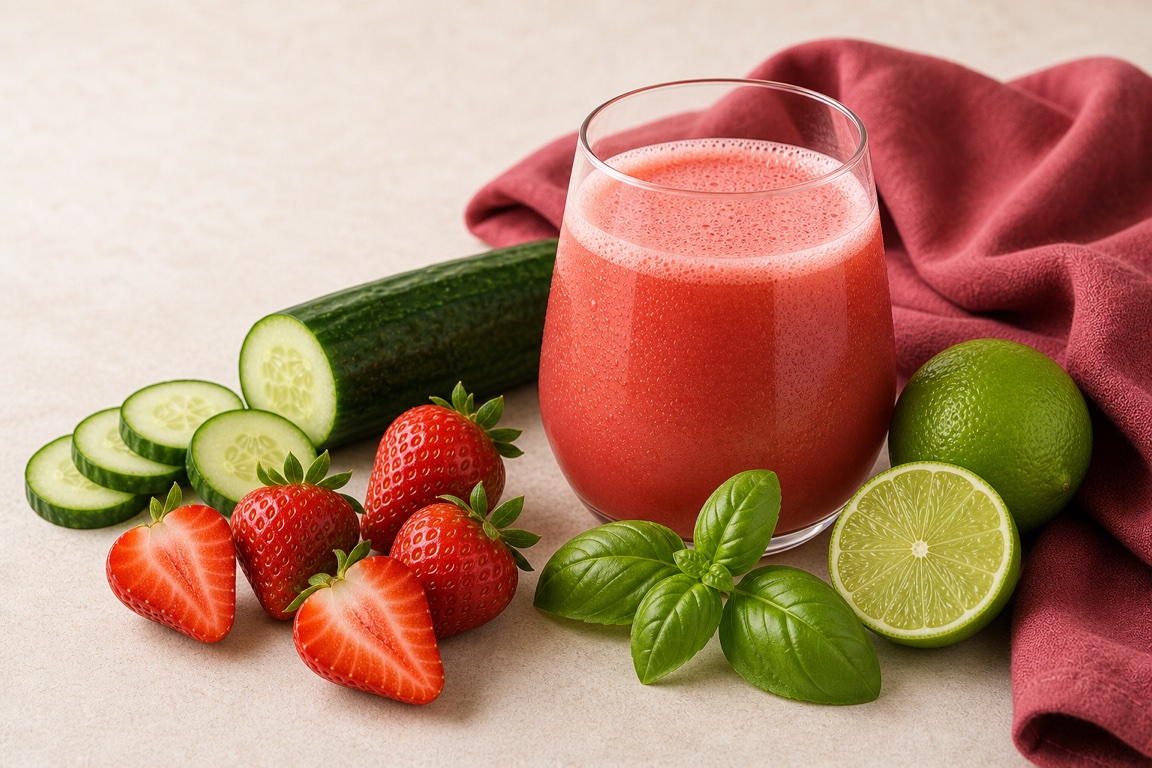
Vitamin C-rich bright recipe
A berry-citrus bottle that keeps cucumber as the main volume.
~12 oz
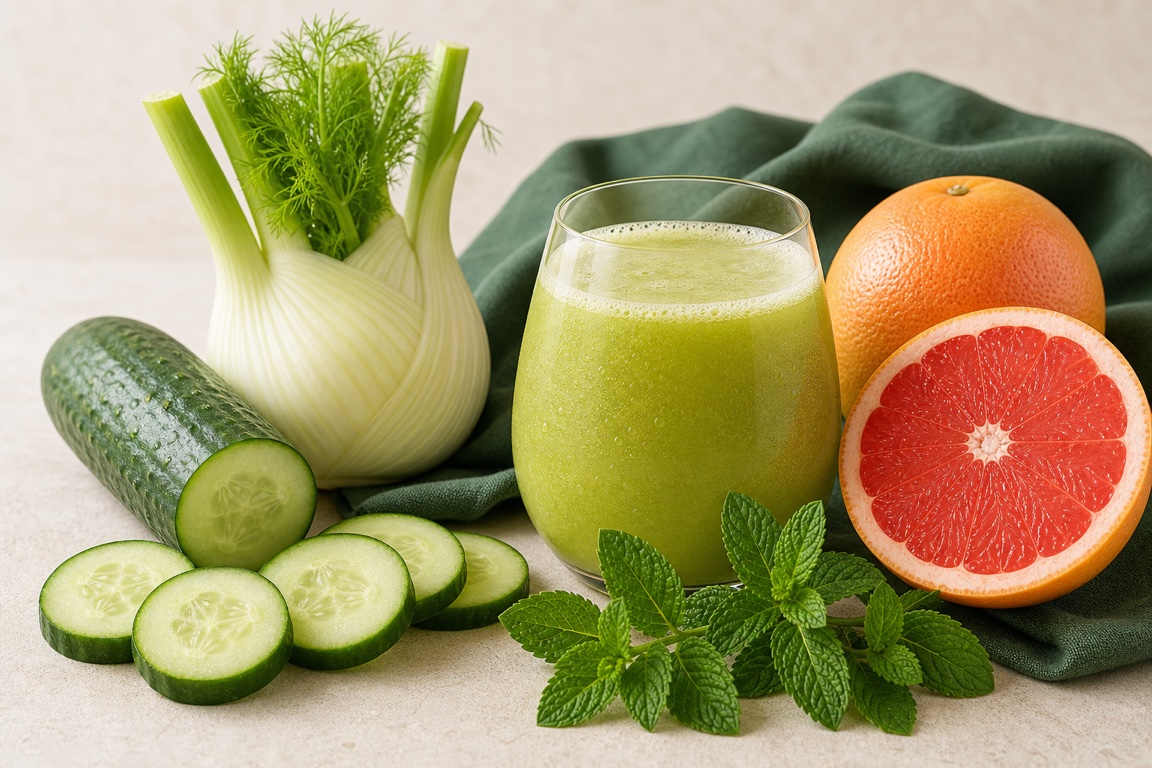
Vitamin C-rich bright recipe
Aromatic fennel with orange, lemon, and cucumber.
~12 oz
Built on everyday produce
The ingredients these recipes actually lean on — regular grocery-run produce, shown with real photos.
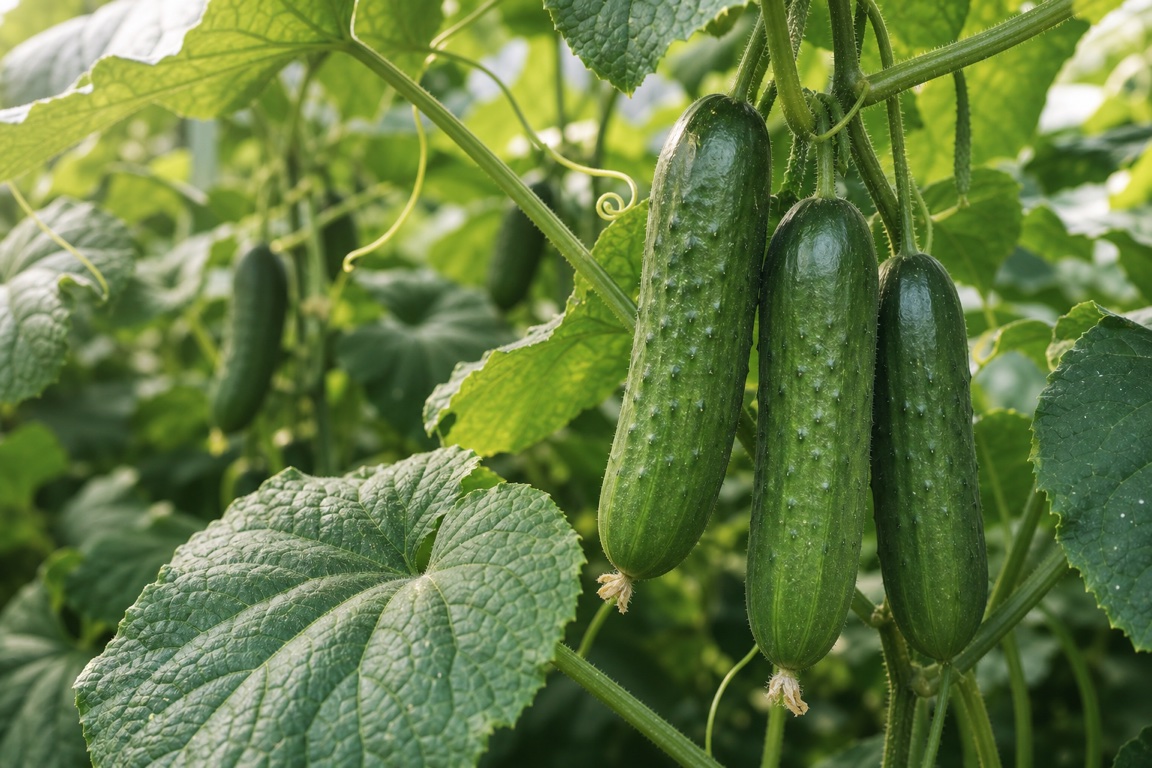 Cucumber
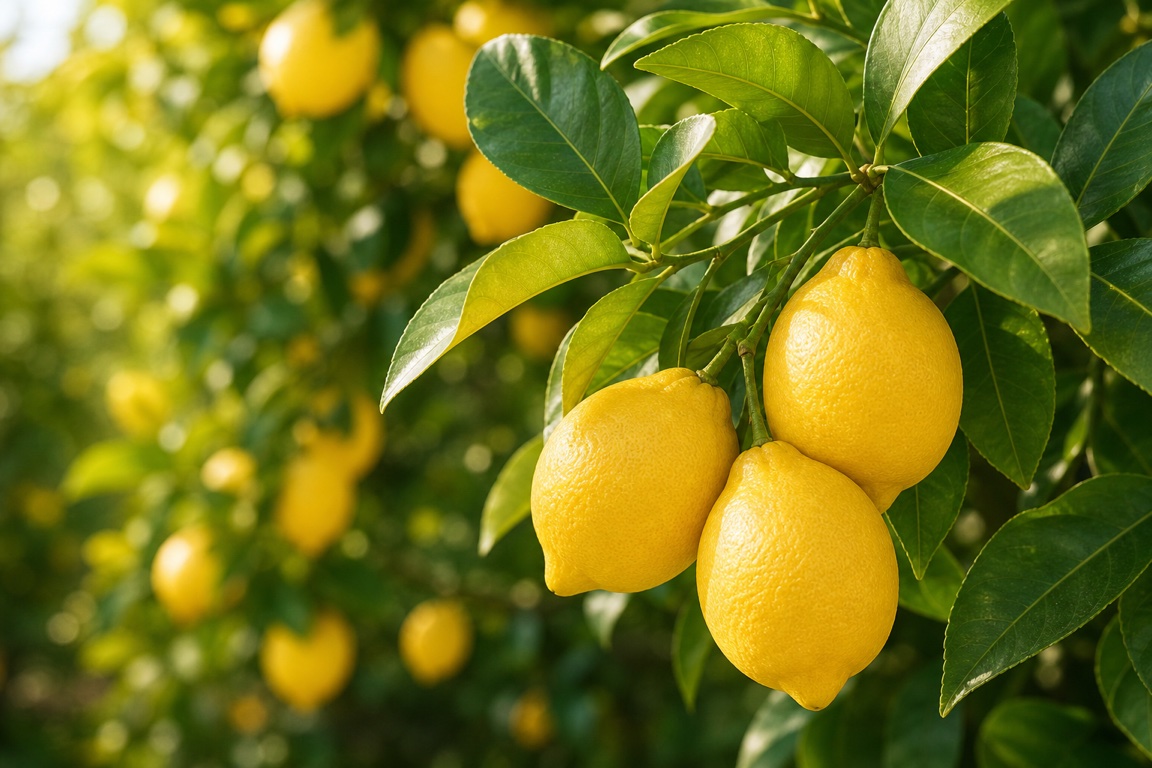 Lemon
Lemon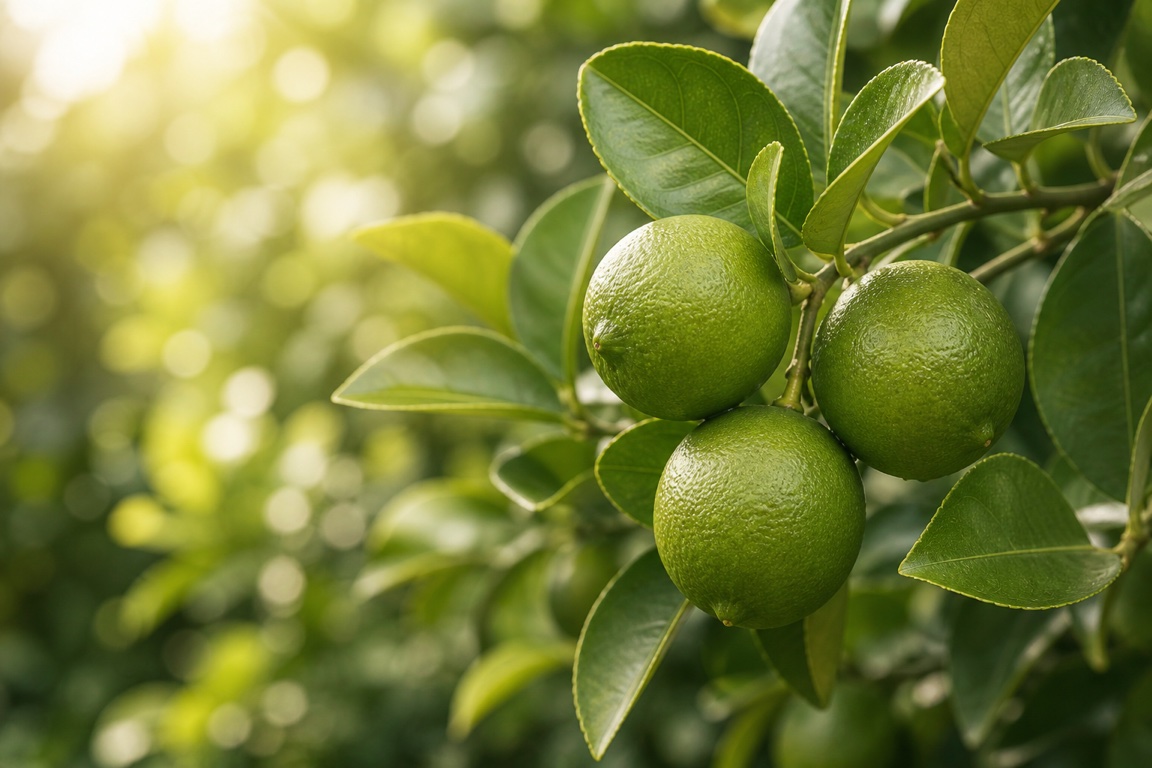 Lime
Lime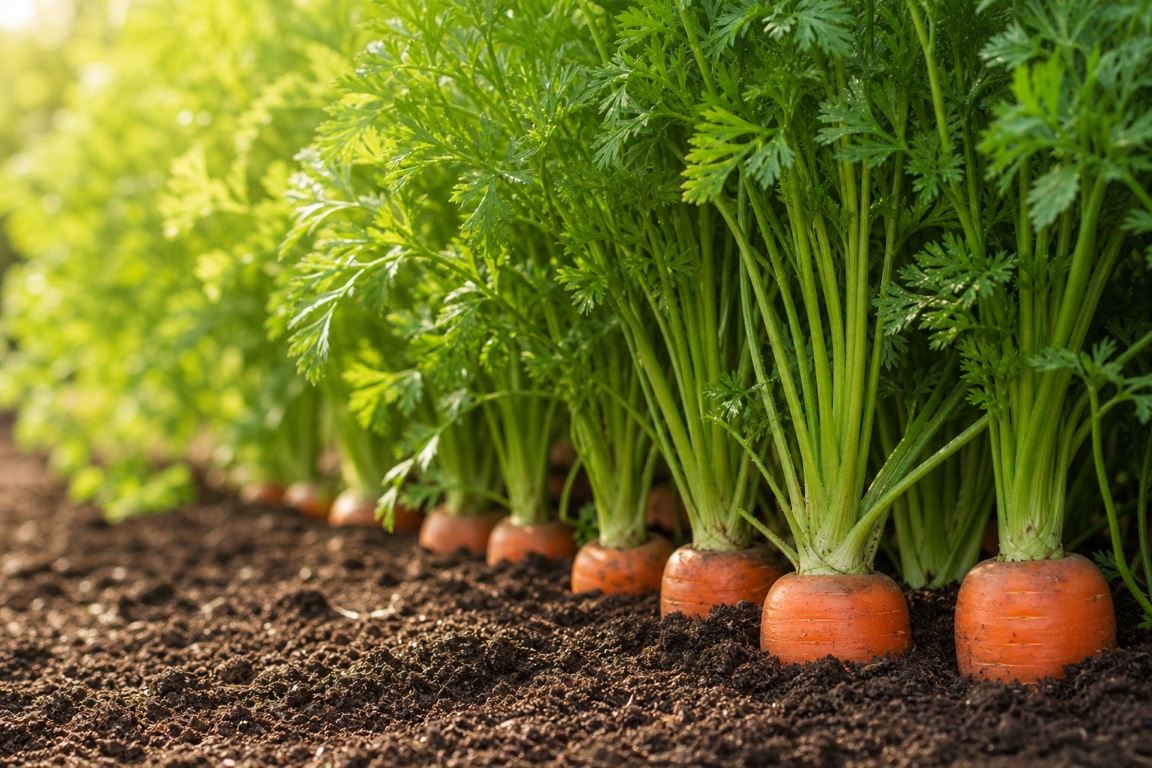 Carrots
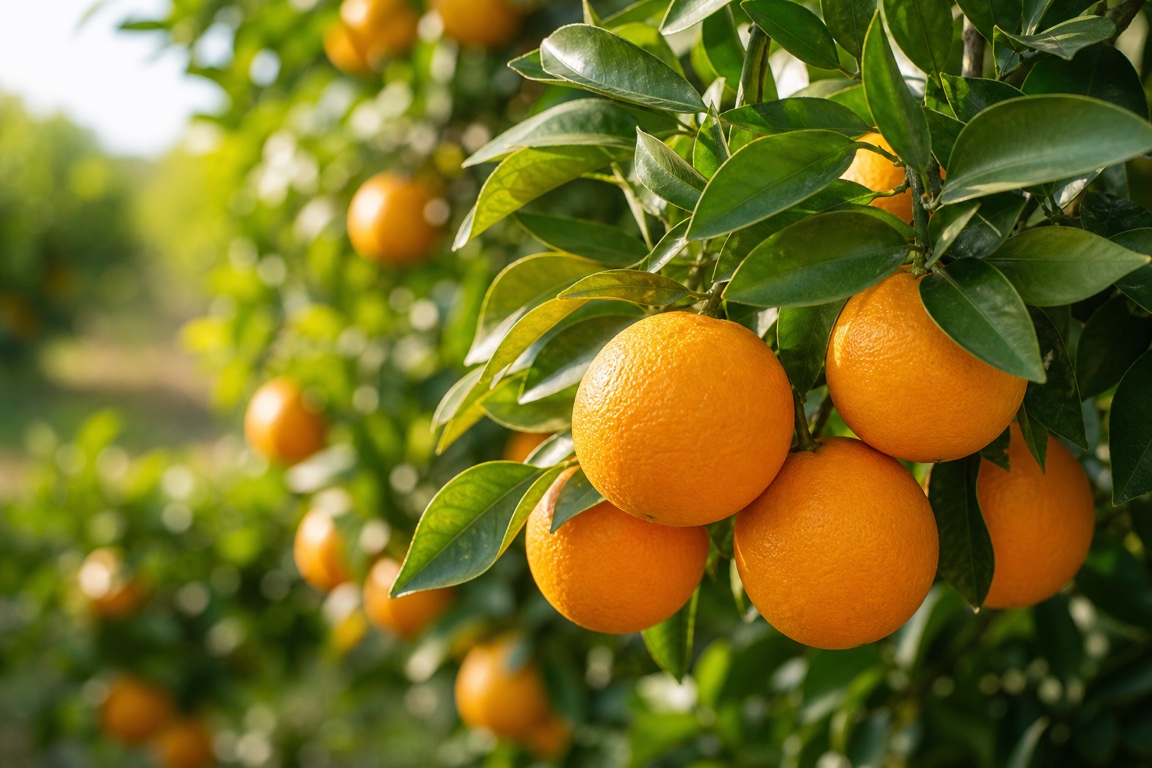 Orange
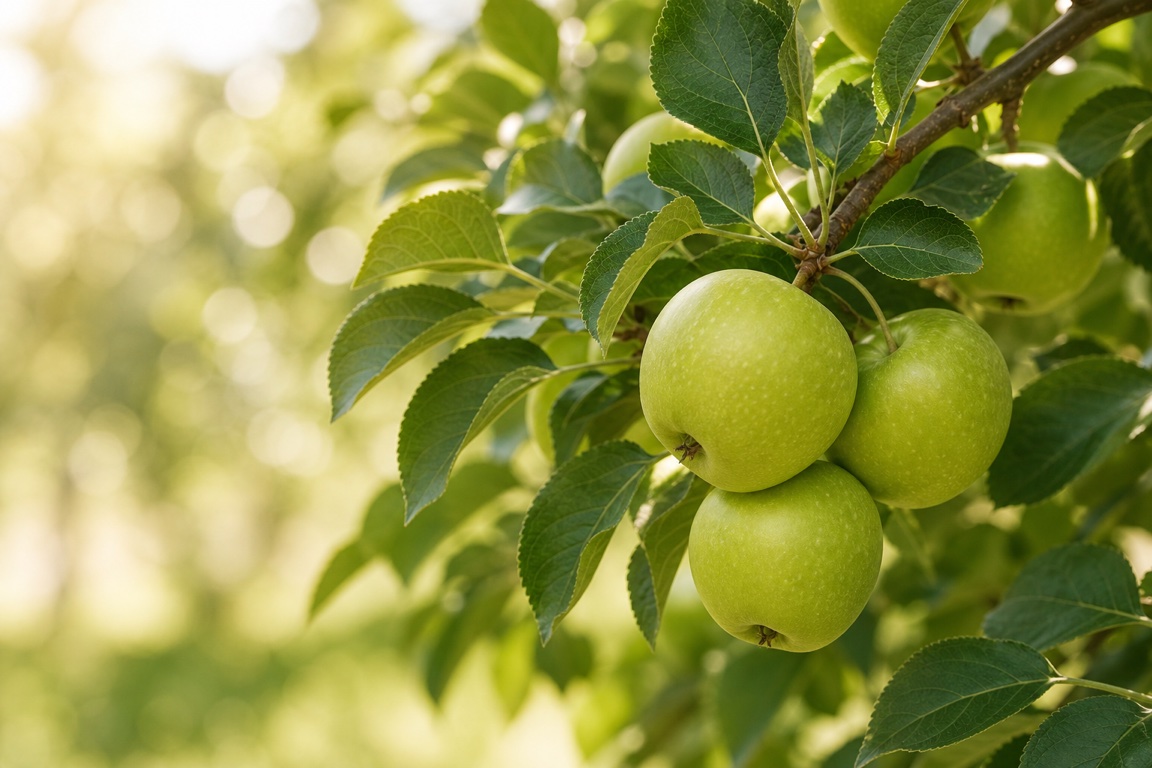 Green apple
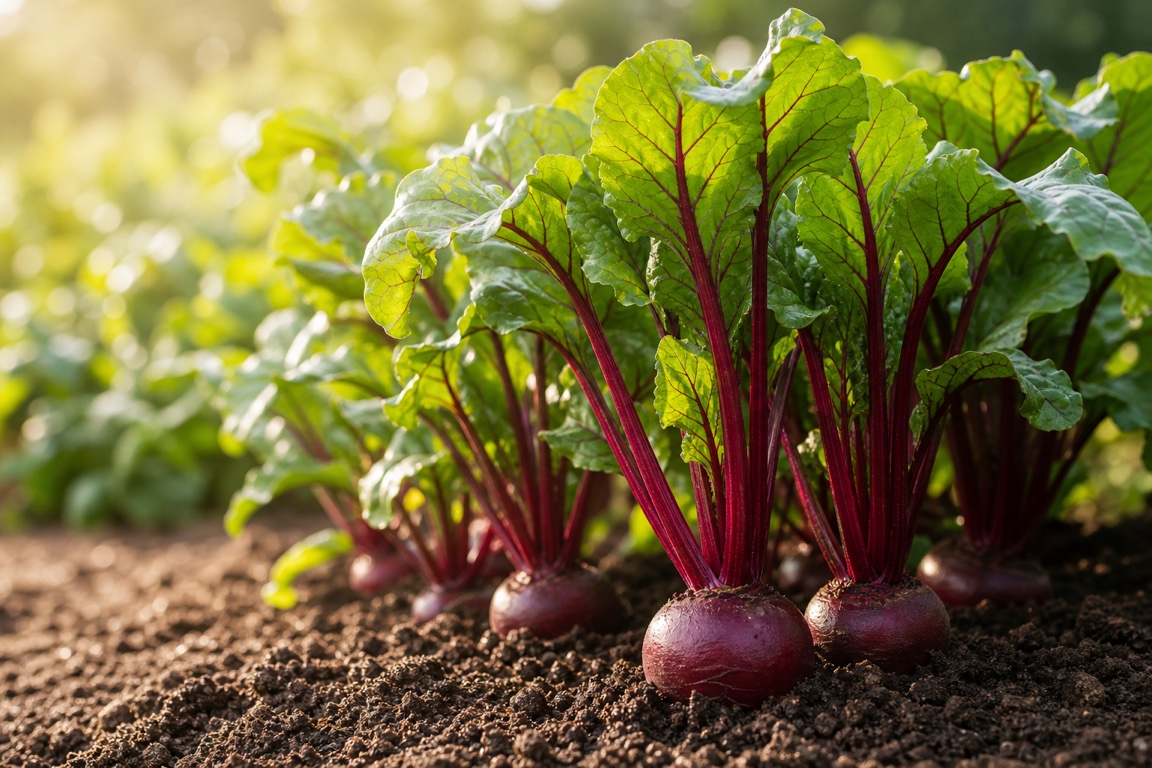 Beet
Beet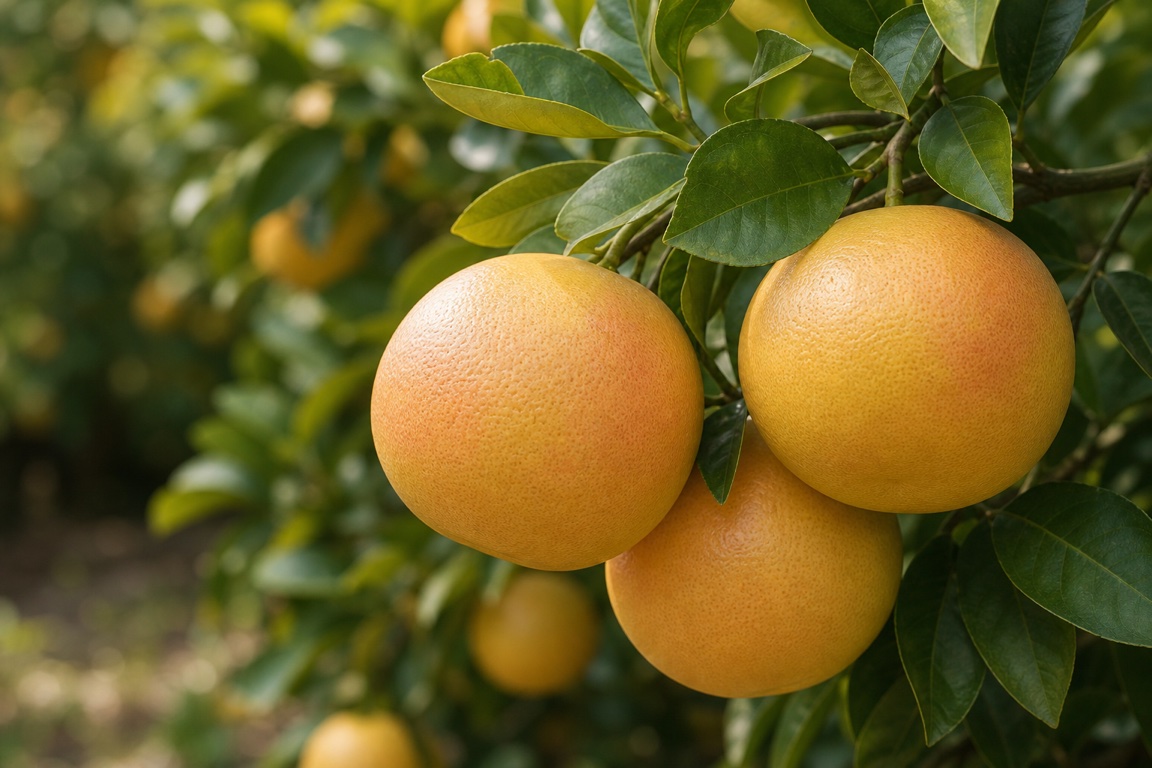 Grapefruit
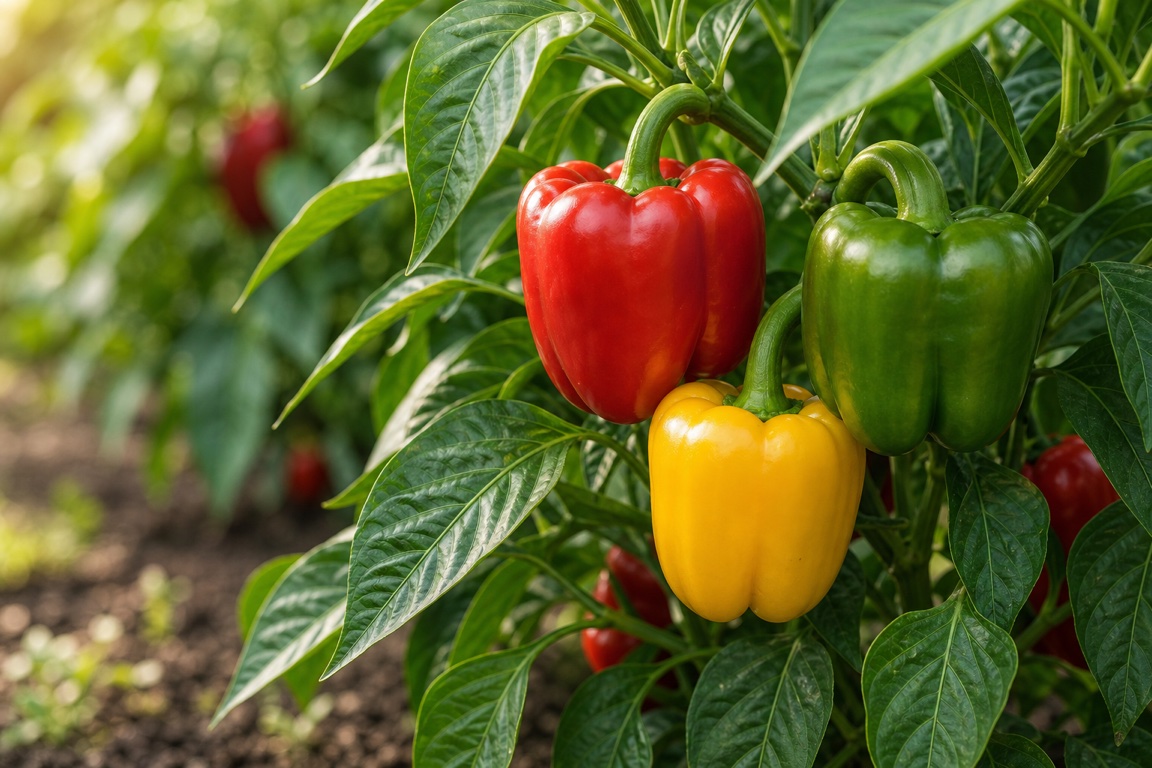 Red bell pepper
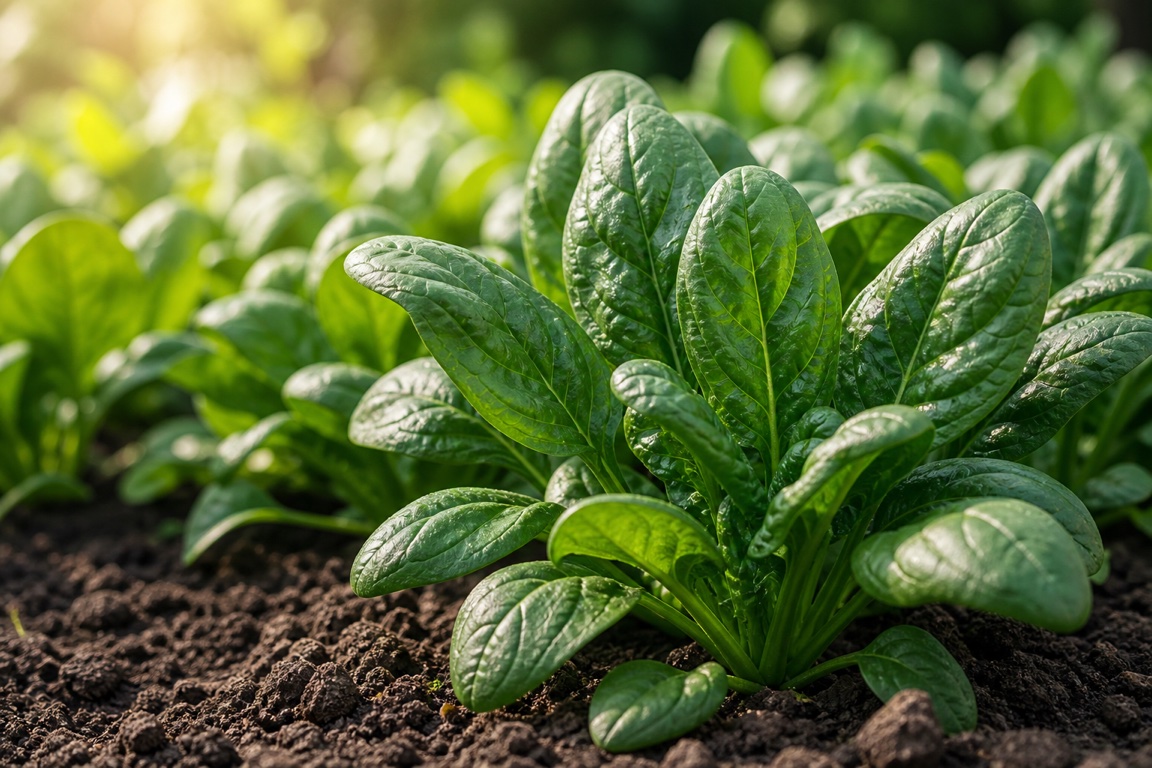 Spinach
Everything included
You don't use it all at once — the dashboard walks you through each piece step by step.
The difference a plan makes
Guessing at combinations
Building with the lab
Why it works
Premium education that is practical and conservative, not invented nutrient precision.
Educational pairing logic for color, ingredient, and meal context, run as a trackable color-coverage week.
Every ingredient comes with its role, color family, flavor, best pairings, and what to swap when you're out — so you build on purpose, not by accident.
“I got tired of recipes that were just a random pile of vegetables. Half came out bitter, half came out like dessert, and I never knew which ingredient was the problem. So I built the thing I actually wanted: produce sorted by color and role, the pairing rules written down, and a swap to reach for when a bottle goes sideways. No milligram claims, no health promises — just clearer, better-tasting juice. — Ezra”
— Ezra, founder
Get started
$49
Launch priceOne-time · instant access · no subscription
One week of guessing wastes more produce than this costs — the bunch of kale that overpowered everything, the beet that turned a whole bottle to dirt. The lab is a one-time price, and the swap that saves a bottle pays for it.
Color pairing education promise
You get a practical framework for color, flavor, produce variety, and cautious pairing education without exaggerated claims.
No. The recipes are the easy part. What you're paying for is the pairing logic underneath them — why citrus rescues greens, why roots need a tart finish, which fruit belongs as an accent — plus a real swap engine and a color-coverage week that turn that logic into a tracked rotation.
No — and that's on purpose. Nutrient content swings with produce size, ripeness, storage, and your juicer, so milligram numbers would be fiction. The lab uses honest broad tags like vitamin C-rich and carotenoid-focused, and tells you how to pair for flavor and variety.
It's built to act. Pick a color family, the lab hands you matching recipes and a swap list, and you start a color-coverage week you mark off as you make each bottle. The rotation tracks "N of 6 families," archives finished weeks, and gives you a share card — a tool you reopen every grocery run, not a page you read once.
Start in the light/hydration or green family, where cucumber, romaine, and citrus do the work. Every card flags the strong-flavored produce and gives you a gentler swap, so nothing has to taste like dirt or grass.
No — it's a guided dashboard you log into. The photographed ingredient map, color map, pairing cards, recipe library, real swap engine, and color-coverage week all live on the site and work on any device.
General education and safety note
This product provides general recipe and planning education only and is not medical advice. Calories, yield, sweetness, and cost notes are estimates. Fresh raw juice is perishable; refrigerate promptly and discard questionable juice. Use juices as part of a normal eating routine, not as a cleanse, fast, or meal replacement.
We use cookies and a Meta pixel for analytics and ads measurement. Choose whether that’s okay.