
Free
Juice Yield Calculator
This calculator turns a target ounce amount into a practical ingredient split with conservative yield assumptions.
Free tools · No account needed
Yield calculator, storage label builder, lower-sugar swap engine, substitute finder. Six utilities are open with no account. The Grocery List gives free-account members two full generations every 30 days; Founding access adds unlimited use, copy, and print.
Free kitchen tools
Calculators, swaps and labels for everyday juicing. Open any of them, no account needed.
This calculator turns a target ounce amount into a practical ingredient split with conservative yield assumptions.
Build a label you can copy before storing fresh raw juice in clean bottles.
Choose a fruit-heavy ingredient or flavor issue and get swaps that keep the juice useful and balanced.
Pick an ingredient and a reason, then compare practical substitutes with recipe examples.
Use checkboxes to match your kitchen to existing recipes and a short grocery add-on list.
Choose the problem and get immediate fixes, next-time formulas, and recipes that are easier to balance.
Most-used tool · Free account
Pick recipes and batch counts. We combine ingredients and group them by produce section. A free account includes two full generations every 30 days; Founding access adds unlimited use, copy, and print.
Founding Lifetime · $97 once
The free tools above handle one bottle at a time. The dashboards plan the week, write one grocery list, and keep the fixes and labels in one place.
30-day First-Week Guarantee · No subscription
Pick a taste; it builds the week and the list.
Everything for the week, one trip.
Rewrite bottles that come out too green, earthy, sweet or sharp.
Bottle labels with a conservative drink-by window.
See what a week of juice costs before you shop.
A realistic month, rest days included.
The thinking behind the tools
Yield planning 9 min read
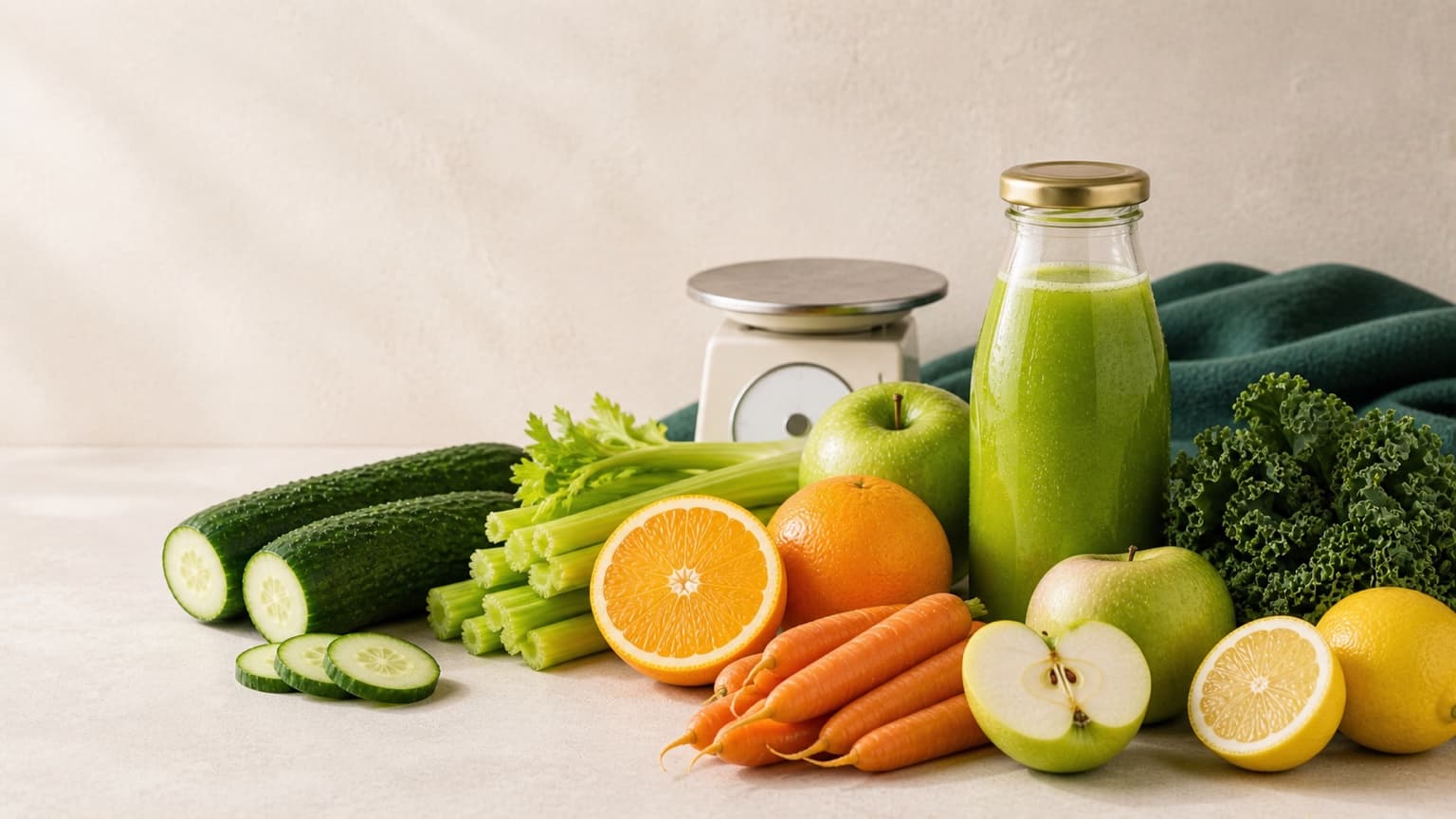
Wondering how much fruit and veg to make juice? As a rough planning rule, about one pound of fresh produce yields 8 to 12 ounces of cold-pressed juice, so a 16 ounce bottle usually takes 1.5 to 2 pounds. High-water ingredients like cucumber and watermelon land near the top of that range, while leafy greens land near the bottom. Treat every number here as an estimate, not a promise.
Storage guide 12 min read
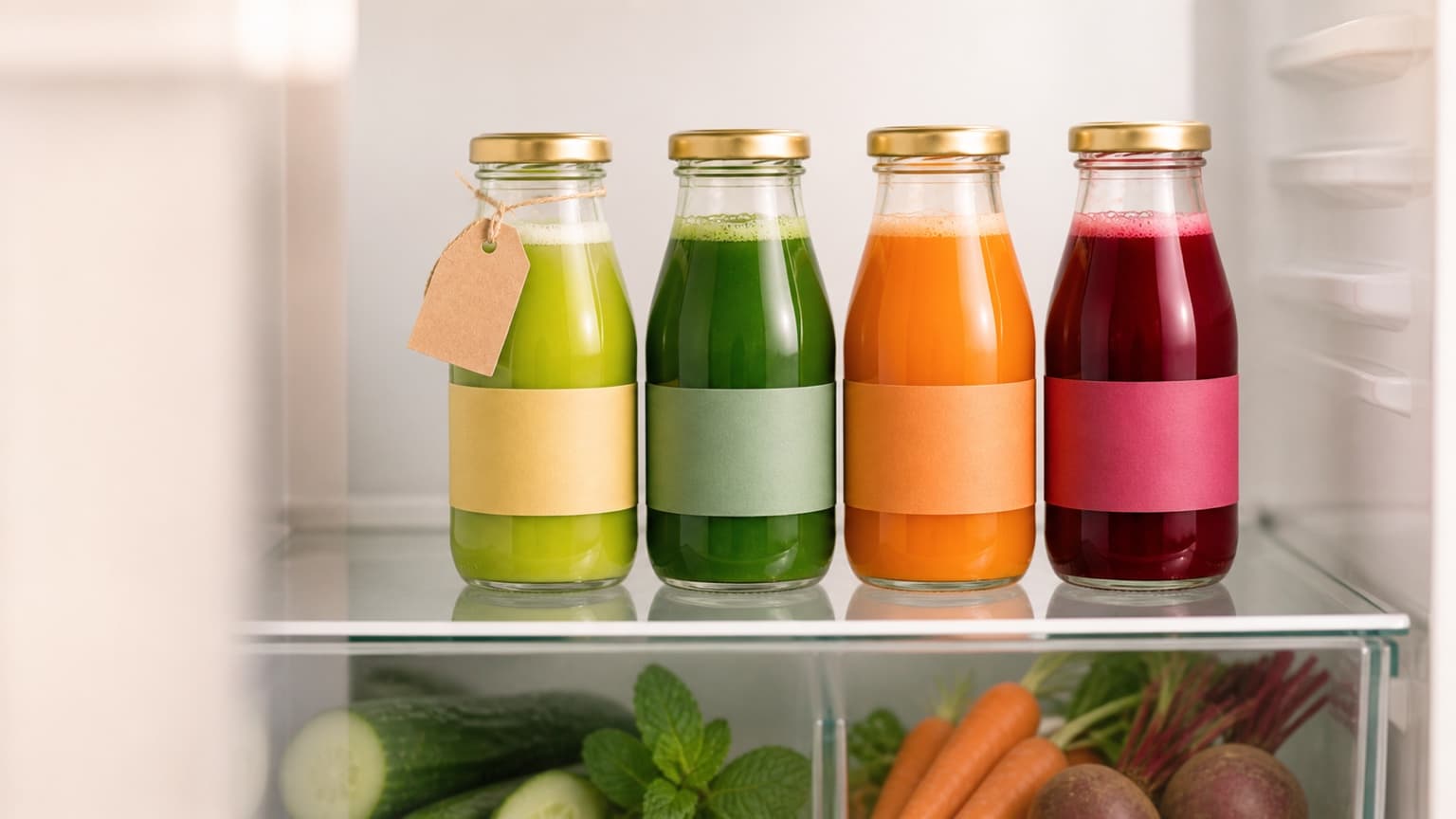
How to store fresh juice comes down to four habits: bottle it cleanly, refrigerate it right away, fill the container close to the top, and drink it within a short, conservative window. This guide covers the best containers, storing juice in mason jars, how to arrange the fridge, the freshness cues worth checking, and the small mistakes that quietly shorten a juice's life.
Lower-sugar guide 9 min read
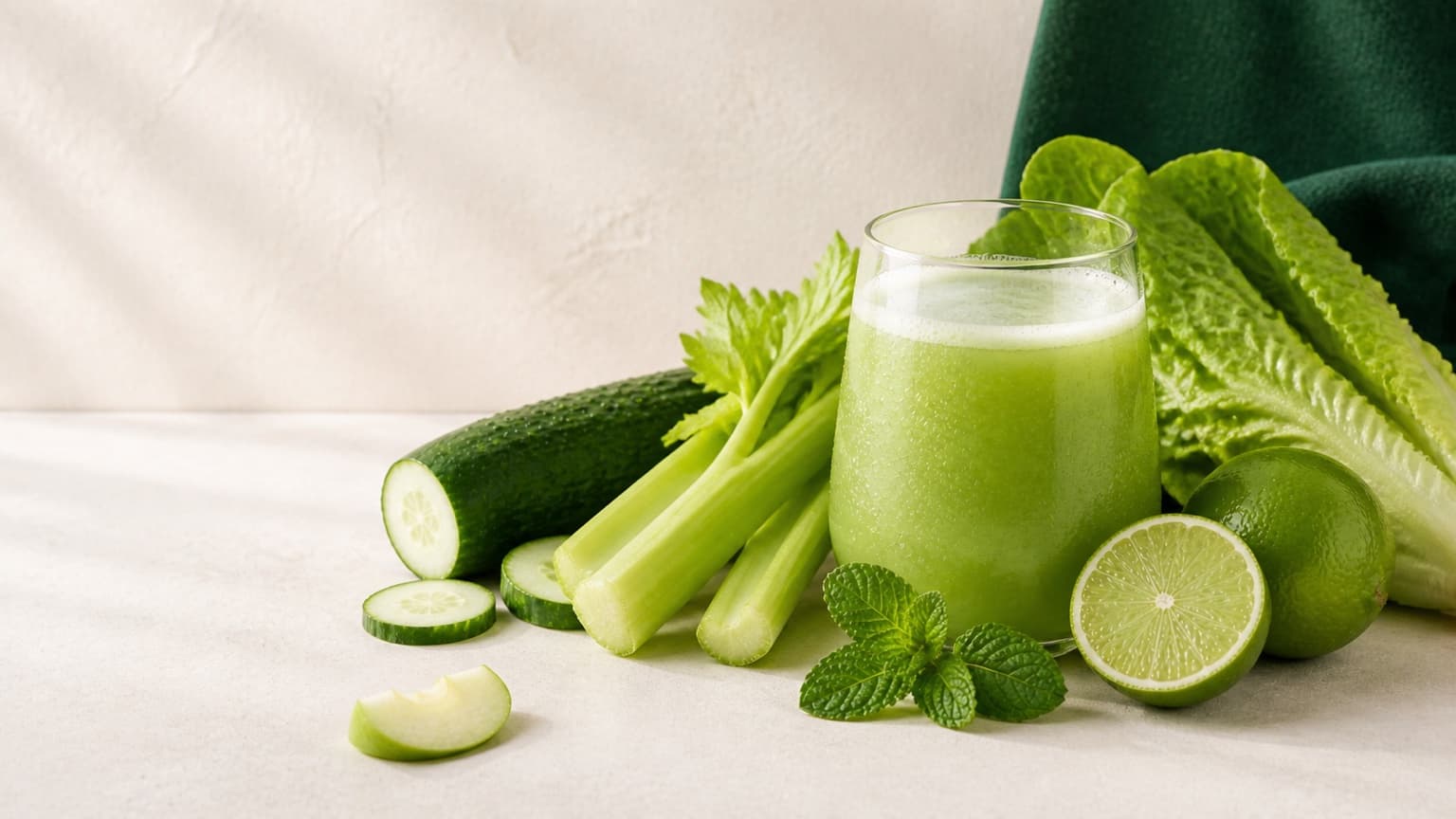
Low sugar juice recipes start with vegetables instead of fruit: a cucumber, celery, or romaine base, a citrus accent for brightness, and herbs for interest. Instead of cutting sweetness all at once, swap one sweet ingredient per batch for a milder one and let your taste adjust. The result is a glass that reads crisp rather than dessert-sweet.