Beginner guide
Juicing Mistakes Beginners Make (and the Easy Fixes)
Most juicing mistakes beginners make are planning mistakes, not machine mistakes: juicing only fruit, skipping a mild base, overstuffing the chute, and making more than you can drink fresh. This guide groups the common ones by produce, prep, machine, storage, and flavor, and gives a concrete fix for each.
On this page
What do beginners get wrong about juicing?
Most juicing mistakes beginners make happen before the machine is even on: buying all fruit, skipping a mild base, making triple what anyone can drink, and leaving cleanup for later. The machine mistakes, feed order and overstuffing, are real but quicker to fix.
The table below is the whole guide in miniature. Everything in it costs nothing to fix except attention, and most fixes make juicing faster, not fussier.
| Mistake | Why it happens | What to do instead |
|---|---|---|
| Juicing only fruit | Fruit tastes safe and sweet on day one | Build on a vegetable base and keep fruit to a single accent so sugar stays modest |
| No mild base | Recipes get copied without structure | Anchor every blend with cucumber, celery, or romaine for volume |
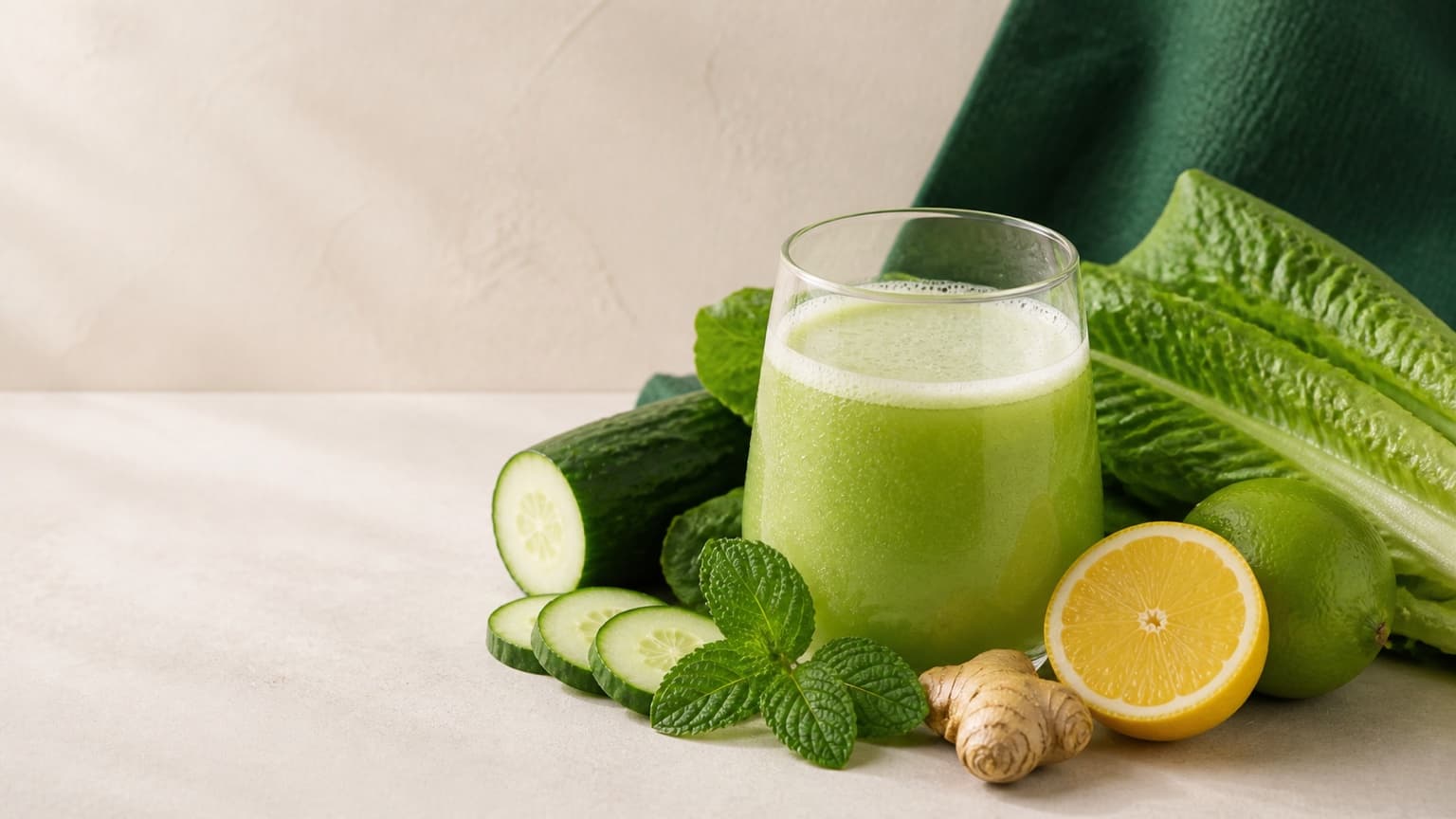
| Heavy ginger or beet at the start | Bold ingredients look exciting | Begin with a thumbnail of ginger; split one beet across several juices |
| Overstuffing the chute | Trying to finish faster | Feed pieces one at a time and let the auger set the pace |
| Random feed order | Nobody mentions it matters | Alternate leafy greens with firm produce so leaves get pulled through |
| No taste check | Bottling on autopilot | Taste before bottling and fix with lemon, cucumber, or apple |
| Making too much | Batch ambition | Make one or two servings, chill at once, drink within a conservative window |
| Cleaning later | Post-juice momentum dies | Rinse parts immediately: about four minutes now versus scrubbing dried pulp later |
Drawn from our own early sessions and the questions readers send most often.
Produce mistakes: all fruit, no base
All-fruit juice is the classic first mistake because it works: apple, orange, and pineapple taste great on day one. But juicing removes much of the fiber from whole produce, so an all-fruit glass concentrates natural sugars into something closer to dessert than a daily habit, and it teaches you nothing about building balance.
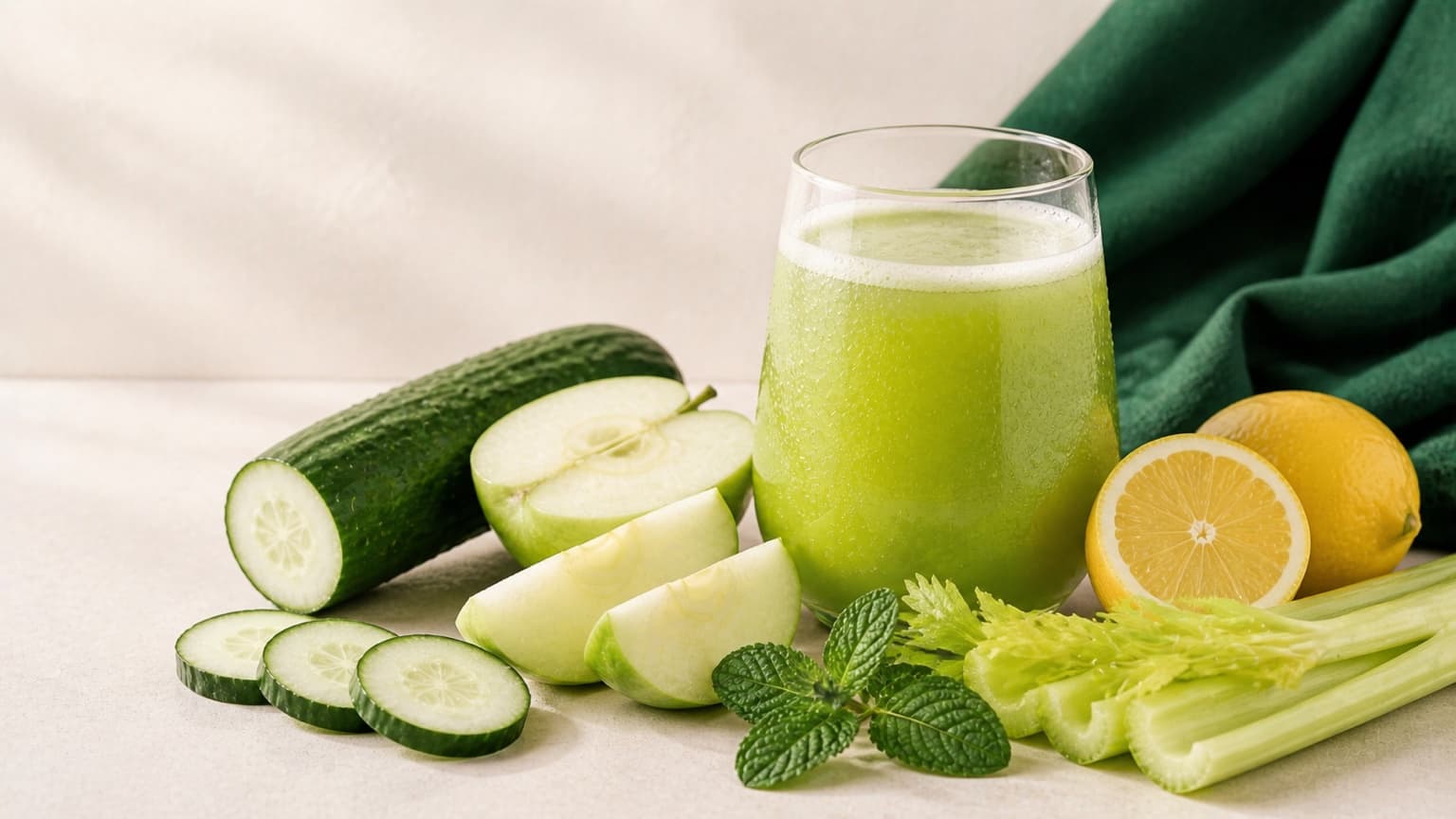
The fix is structural rather than heroic. Anchor every recipe on a mild vegetable base, cucumber, celery, or romaine, and then let one fruit do the sweetening. The flavor stays pleasant, the sugar stays an accent, and your palate starts learning what vegetables actually contribute.
One caveat keeps this honest: fruit is not the enemy, concentration is. One apple balancing a glass of cucumber and celery is the formula working as intended. Three fruits stacked in the same glass is how beginners end up deciding they dislike vegetable juice by day three.
If you would rather not improvise, start from recipes that already have this structure. The beginner collection is built around mild bases, and the builder can rank blends by your sugar preference from the first click.
Prep mistakes: skipping the wash and the taste check
Prep mistakes are quiet: nothing breaks, the juice is just worse than it should be. Four habits cover almost all of it.
If peel-or-not questions are what slow you down at the counter, the produce prep guide settles them ingredient by ingredient, including citrus, ginger, and beet skin.
- Skipping the wash. Even produce you plan to peel needs a rinse, since the knife drags whatever is on the skin straight through the flesh.
- Cutting everything tiny. Most chutes take pieces the size of two fingers, so over-chopping just adds ten minutes per session.
- Skipping the taste check. Taste before you bottle, while a squeeze of lemon or another half cucumber can still fix the batch.
- Prepping nothing in advance. Washing and chopping the night before turns a fifteen-minute morning job into five.
Machine mistakes: feed order and overstuffing
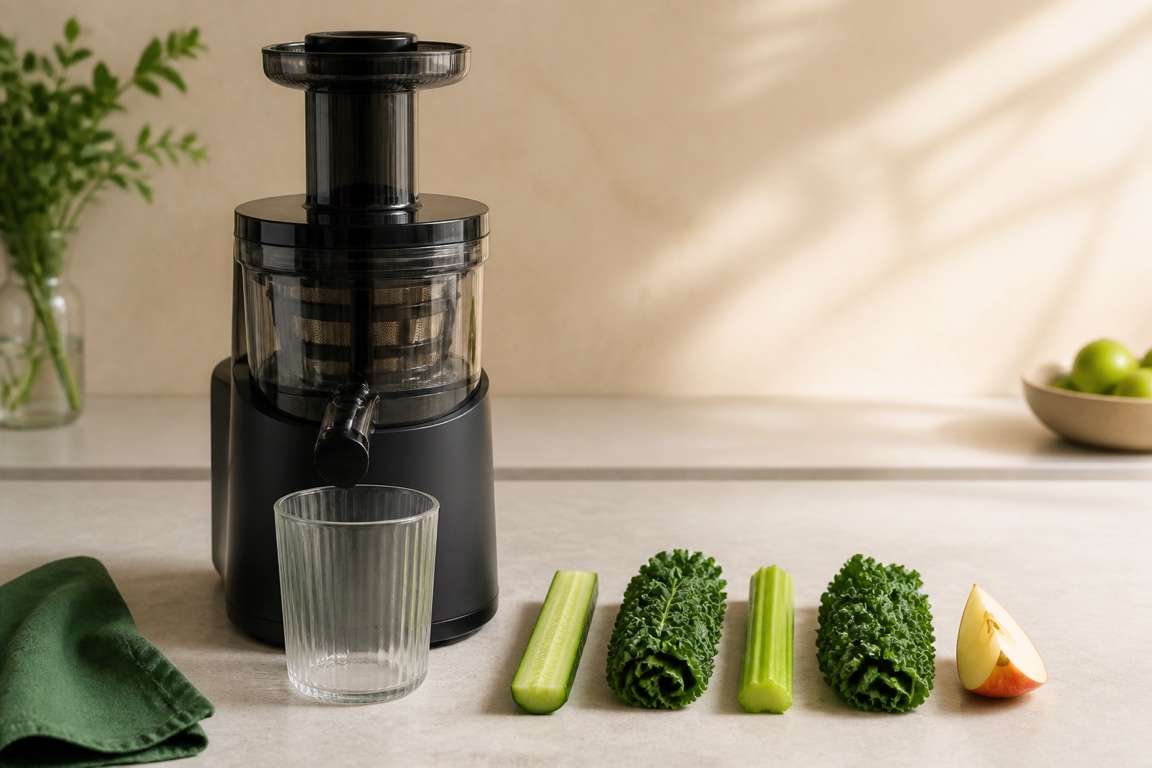
Cold-press machines are slow on purpose, and almost every machine mistake comes from fighting that. The first time we packed a chute full of celery, the pulp came out wet and braided around the auger, the yield dropped visibly, and the motor strained until we backed off.
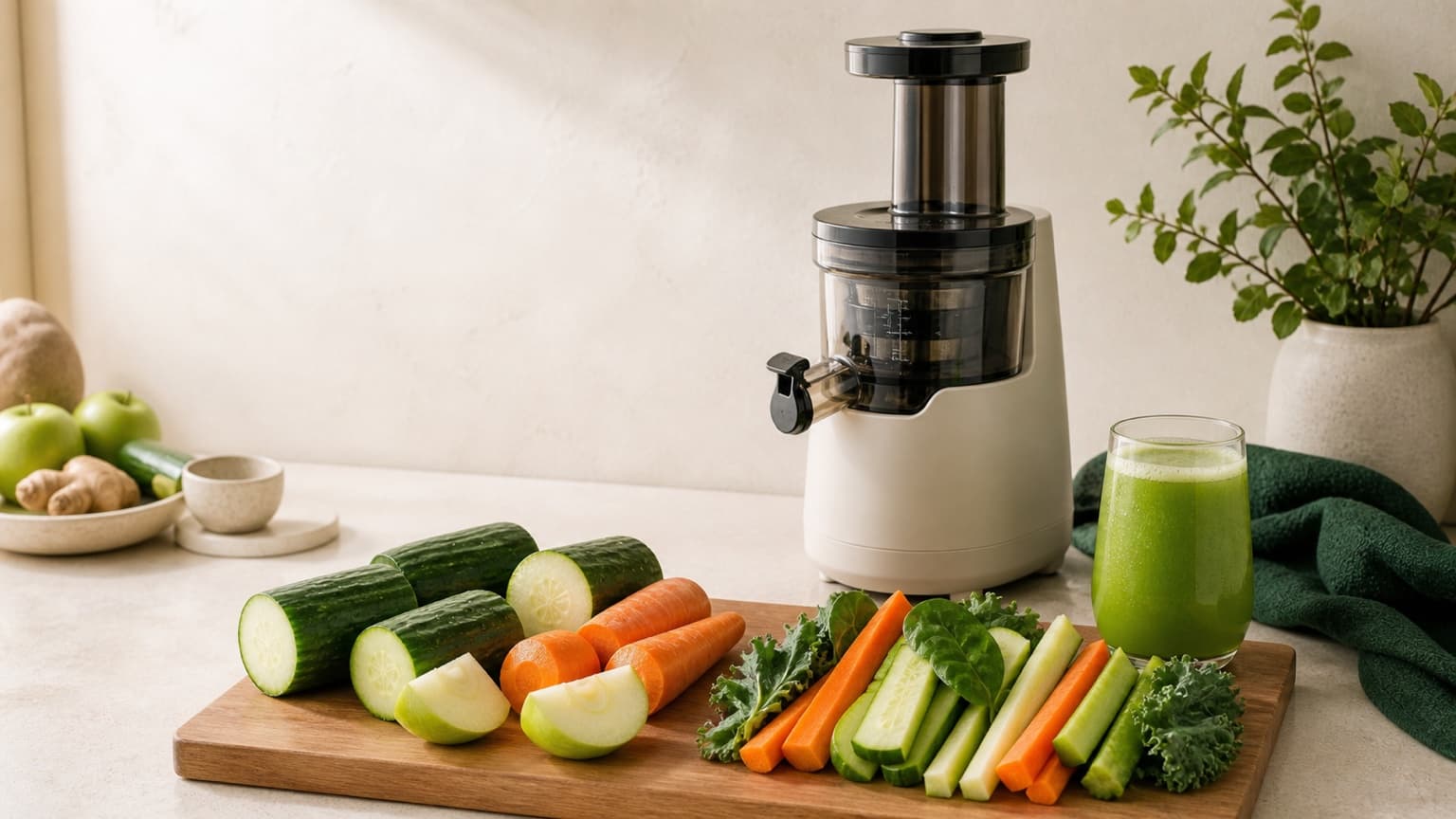
Feed pieces one at a time and let the auger set the pace. Order matters too: alternate leafy greens and herbs with firm produce such as carrot or apple so each soft handful gets pushed through instead of matting above the screw, and finish the session with something firm and juicy to flush the screen.
When yield still seems low, read the pulp. Dry, crumbly pulp means the machine did its job; wet pulp earned a second pass through the chute or a slower hand next time.
Storage mistakes: making more than you can drink
Batch ambition is a beginner trademark: six bottles pressed on Sunday, three poured out on Thursday. Fresh raw juice is perishable, and the honest planning window is short, roughly a day or two refrigerated for most blends, so make only what the next day or two will actually use.
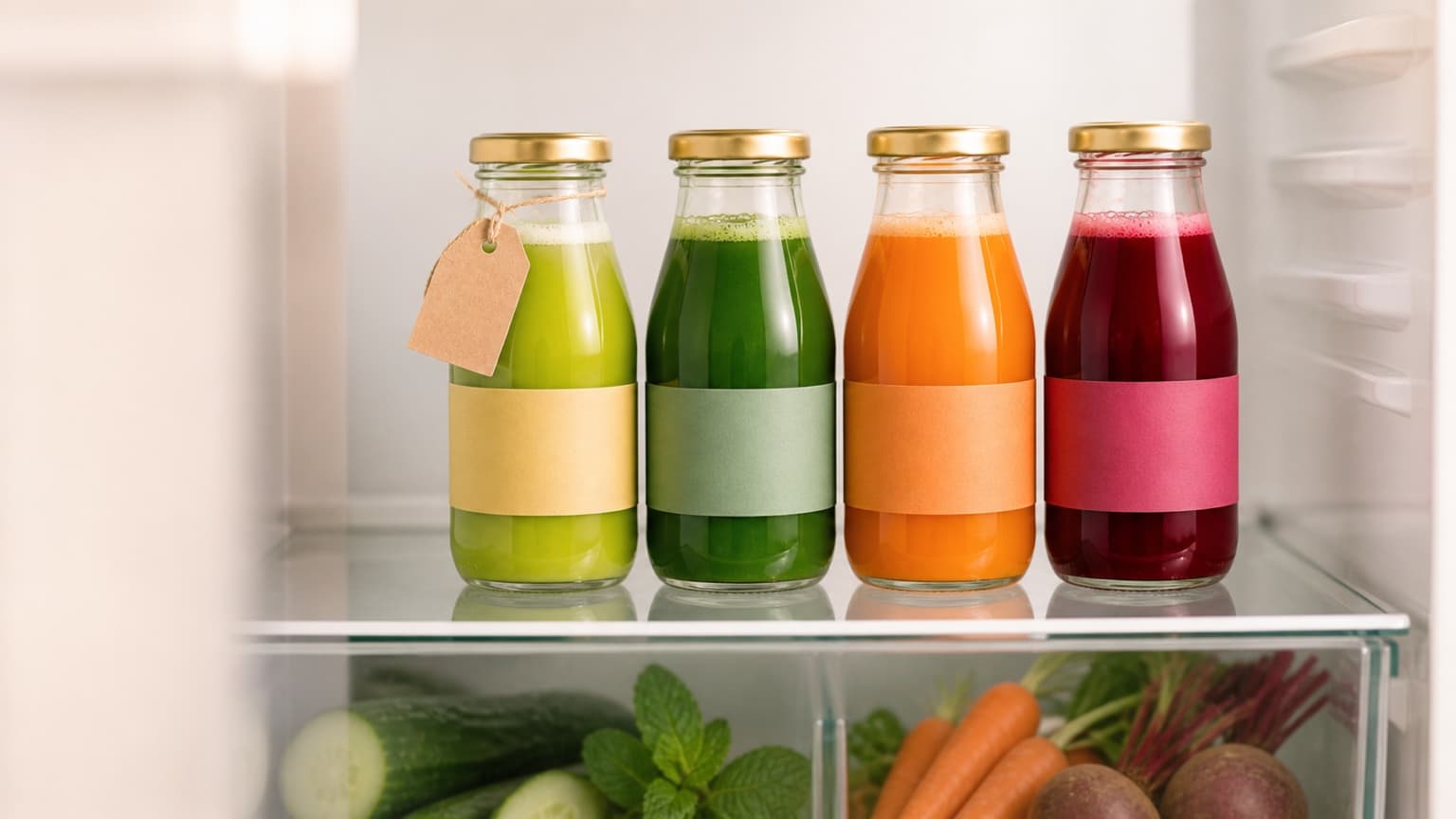
Expect separation rather than fearing it. By the next morning a green juice in our fridge can show a pale foam cap over a darker layer with fine sediment at the bottom; a gentle swirl may recombine it. That quality change does not prove safety. Use storage history and discard cues, never a test sip. The fresh juice storage guide covers bottles, labels, and windows in detail.
- Bottle immediately into clean, airtight containers, filled close to the top to limit air contact.
- Refrigerate the moment the lid is on; juice that waits on the counter ages fastest.
- Label each bottle with the recipe and the pressing time so nobody plays guessing games later.
- Plan around a conservative window of roughly 24 to 48 hours refrigerated, and discard when storage history is uncertain or any spoilage cue appears.
Flavor mistakes: fixing the wrong thing
The most common flavor mistake is adding sweetness when the juice needs acidity or volume. A bitter glass wants lemon and cucumber far more than it wants another apple, and an earthy one usually has too much beet for its base rather than too little fruit.
The cheat sheet: bitter wants lemon and volume, earthy wants citrus and a smaller beet share, flat wants acid rather than sugar, and harsh heat wants more base to dilute the ginger.
The second is rebuilding the whole recipe after one bad glass. Change a single ingredient at a time, the way you would debug anything, and keep notes on what moved the flavor. The green juice flavor guide explains the logic, the juice problems pages cover specific complaints like too bitter or too earthy, and the flavor rescue tool walks the same decisions interactively.
The meta-mistake: juicing without a plan
Every mistake above gets easier to make when the week has no plan: you shop on impulse, juice whatever is wilting, and quit once the crisper turns chaotic. A plan does not need to be elaborate. Two recipes and a matching grocery list will carry an entire week.
The builder handles the recipe-picking part: tell it your ingredients, taste, and sugar preference, and it ranks beginner-friendly blends that fit what is already in your kitchen.
- Pick two recipes for the week, no more, and write them down.
- Shop once, from a list generated for exactly those recipes.
- Decide when juicing happens, morning or evening, and protect that slot for seven days straight.
Frequently asked questions
Why does my juice taste bad?
Usually the recipe is unbalanced rather than the produce being bad: too much of one strong ingredient, no mild base, or missing acidity. Add cucumber or celery for volume, lemon for lift, and change one ingredient at a time. If juice tastes sour or fizzy when it should not, discard it.
Why am I getting so little juice from my juicer?
Wet pulp is the usual clue. It means produce went through too fast, pieces were too large, or soft leafy items bunched together. Feed slowly, alternate greens with firm vegetables like carrot, and run wet pulp through a second time. Limp produce also yields less than firm, fresh produce.
Is it bad to juice only fruit?
All-fruit juices concentrate natural sugars into an easy-to-drink glass, and juicing removes much of the fiber from whole produce. That combination drinks more like dessert than a habit. A mild vegetable base with one fruit accent keeps the flavor pleasant while keeping the sugar load more modest.
Why does my green juice separate?
Separation is normal settling, not spoilage by itself. Heavier solids sink while lighter foam rises, and by the next morning most green juices show distinct layers. Swirl gently to recombine. Judge freshness by smell and taste rather than appearance alone, and keep juice within a conservative chilled window.
How do I make juicing a habit?
Lower the friction. Pick two recipes for the week, shop once from a real list, prep containers the night before, and juice at the same point in your routine each day. Cleaning the machine immediately matters more than motivation; a four-minute rinse keeps tomorrow's session appealing.
Keep exploring
Recipes to try
Planning tools & products
This website provides general recipe and nutrition education only and is not medical advice. Calories are estimates. Fresh raw juice is perishable — refrigerate promptly and discard questionable juice. Use juices as part of a normal eating routine, not as a cleanse, fast, or meal-replacement program.