Beginner guide
How to Prep Produce for Juicing: Peel, Seeds, and Chop Size
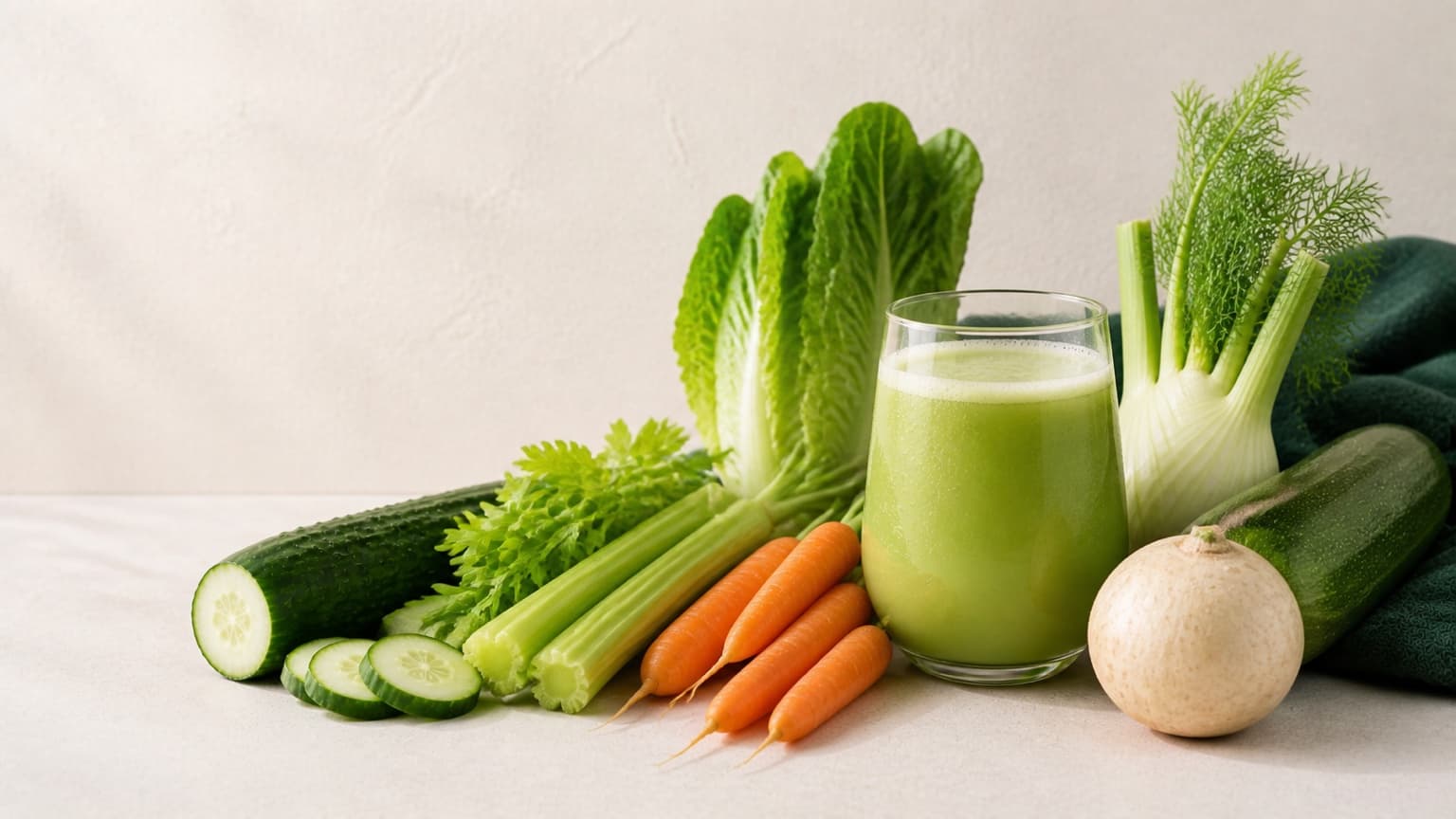
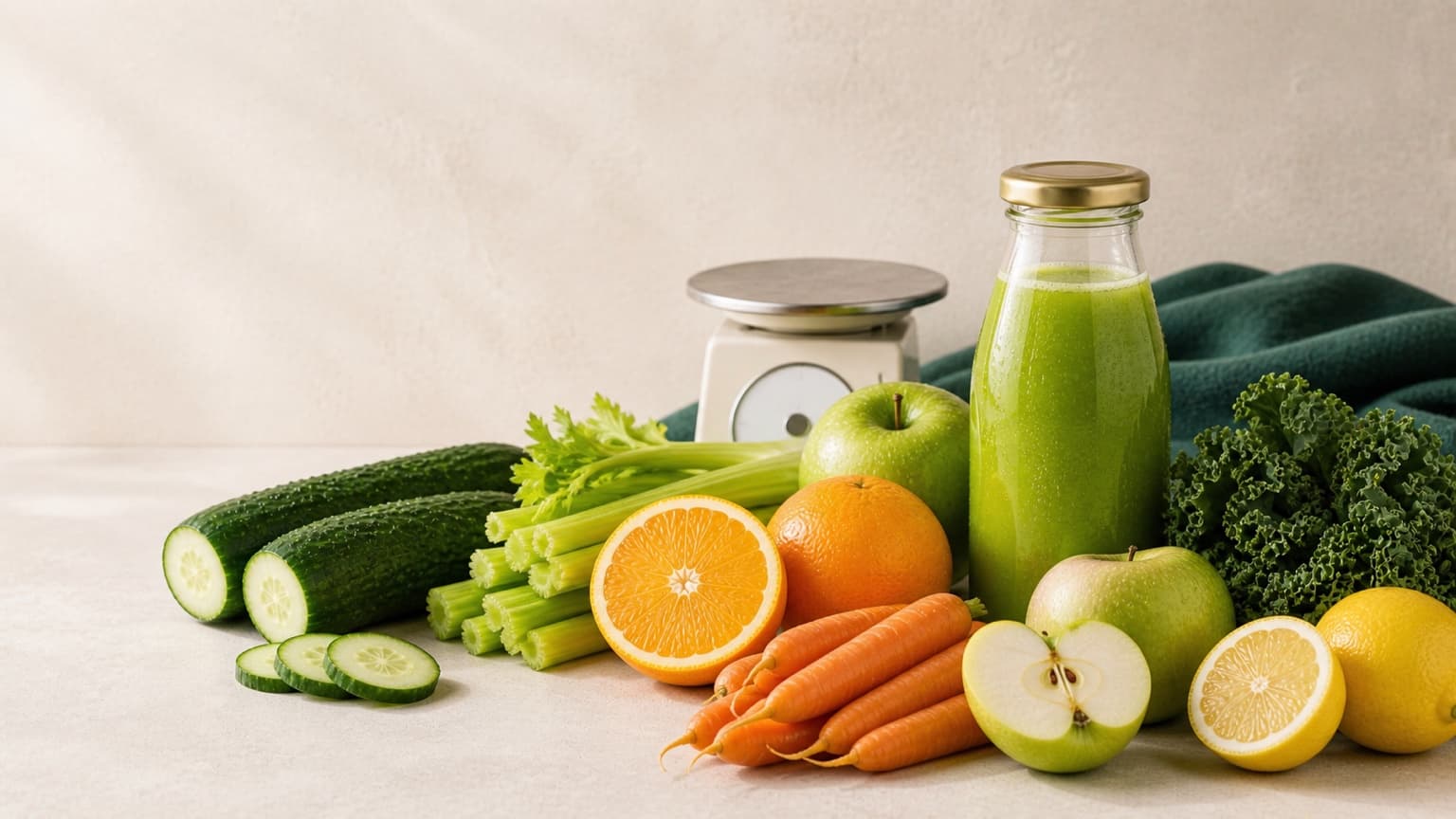
How to prep produce for juicing is simpler than it looks: most ingredients need only a wash and a rough chop. The real questions are the edge cases, citrus peel, ginger skin, beet skin, apple seeds, and kale stems, so this guide settles each one in a single table, then covers chop size, feed order, and night-before prep.
On this page
How do you prep produce for juicing?
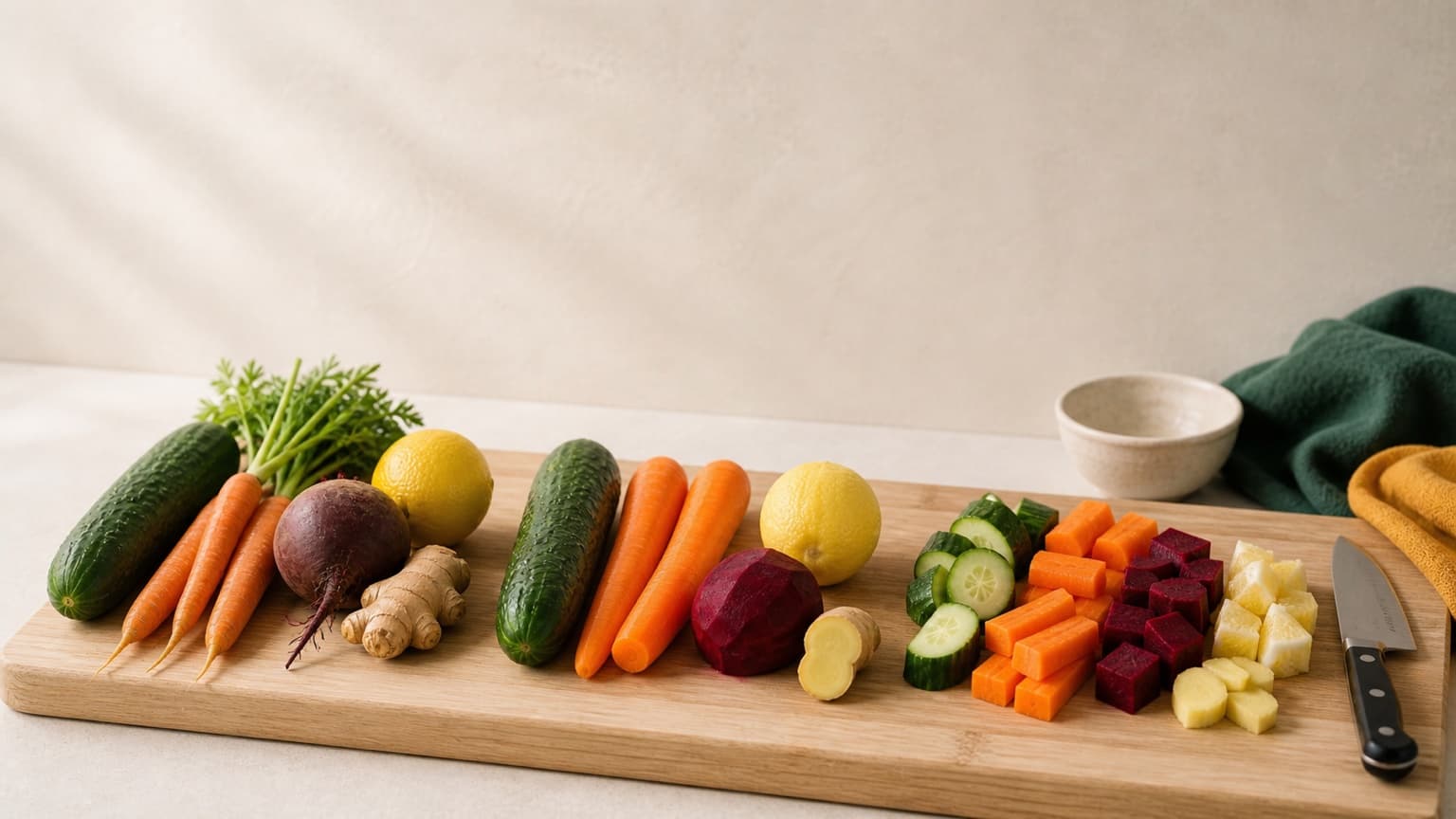
Nearly all produce preps for juicing in two moves: a wash under cold water and a rough chop into pieces that fit your chute. You are not cooking, so there is no fine knife work, and a cold press is far less picky than recipe photos suggest.
Most of the time beginners spend prepping is actually spent on decisions: which skins stay on, which seeds come out, and what to do with stems. This guide settles those calls one by one, then covers the two things that genuinely change results in a cold press, chop size and feed order.
Washing produce the practical way
Wash everything, including produce you plan to peel. The knife drags whatever is on the surface straight through the flesh, and hands move grime from rind to glass.
Dryness matters less than people think. A little rinse water riding through the juicer changes nothing you can taste, so skip the salad spinner and start feeding. Do wash right before prepping rather than before storing, though; produce that goes back into the crisper wet softens and molds faster.
- Firm produce: rinse under cold running water. No soap, ever.
- Roots like carrot, beet, and ginger: scrub with a stiff brush to clear soil from skin you plan to keep.
- Leafy greens and herbs: dunk and swish in a bowl of cold water so grit sinks, then lift the leaves out and shake.
- Berries and grapes: a quick rinse in a colander right before juicing rather than the night before, or they soften.
What to peel and what to leave on
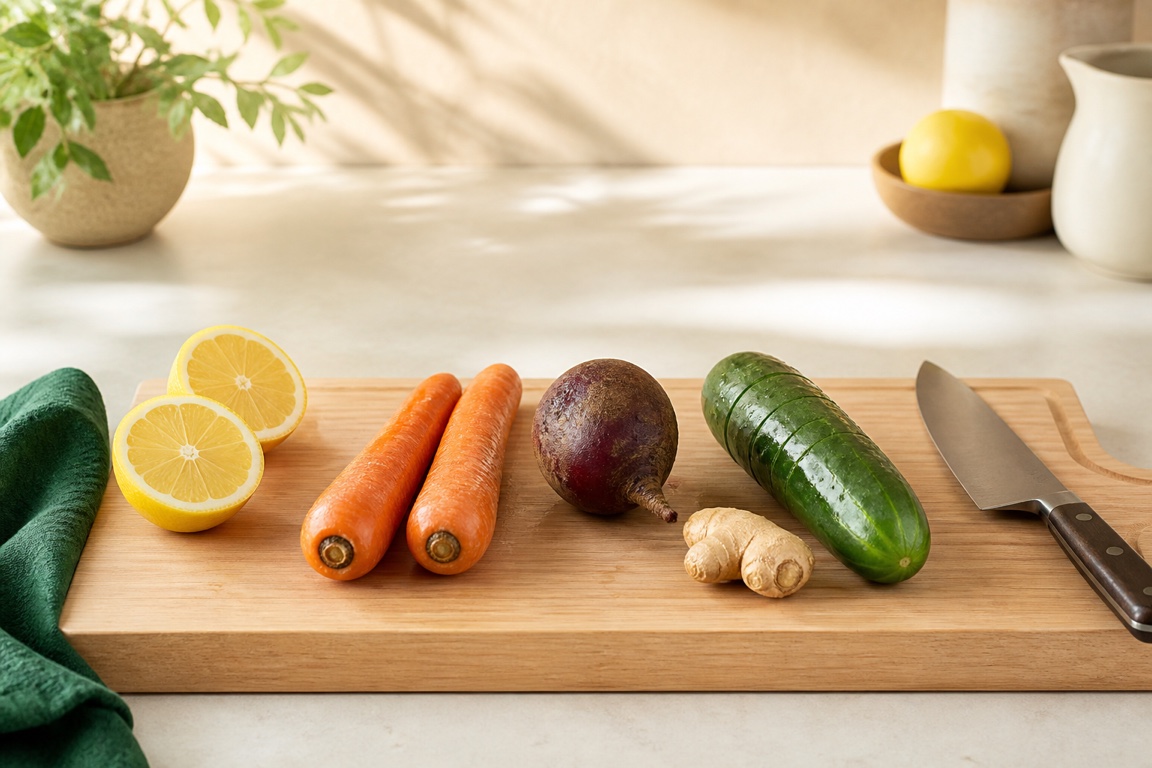
Peel questions stall more beginners at the counter than anything else, so here is the whole answer in one place. The pattern is simple: skins you would happily eat can usually stay on, and skins you would never eat, citrus, pineapple, jicama, wax coatings, come off.
Citrus deserves the one nuance. The colored outer peel carries strong oils that read as harsh, and the effect grows as juice sits; when we have left lemon peel on, the juice tasted fine at pressing and noticeably bitter by the same afternoon. The white pith underneath is mild, so cut the peel away, keep a thin layer of pith, and stop worrying about it. Oranges follow the same rule, and the difference shows up fastest in juices you store overnight.
| Produce | Peel? | Seeds, core, or stems | Notes |
|---|---|---|---|
| Lemon | Yes, keep some pith | Flick out visible seeds | Peel oils turn juice harsh as it sits; thin white pith is fine |
| Orange | Yes, keep some pith | Remove loose seeds | Same rule as lemon; segments feed easily |
| Ginger | Optional | None | Smooth young skin juices fine; peel papery or wrinkled roots |
| Beet | No, scrub hard | Trim the tail and crown | Skin stays after a serious scrub; quarter to fit the chute |
| Carrot | No, scrub | Trim the tops | Peeling changes nothing we can taste |
| Apple | No | Core it | Seeds are the one apple part worth removing; see below |
| Cucumber | Only if waxed | None | Unwaxed skin juices clean; peel waxed or bitter skins |
| Kale | No peel | Stems can stay | Stems feed well in a cold press and add juice with a grassier note |
| Celery | No | Trim the base | Cut ribs into short sticks so they cannot rope around the auger |
| Pineapple | Yes, and the crown | Core is fine | A cold press handles the core well; skin is too rough to keep |
| Watermelon | Yes; rind optional | Seeds are fine | Flesh juices almost completely; firm white rind can go in for a less sweet glass |
Based on our own cold-press prep sessions. Adjust for your machine's chute size and your taste.
Seeds, pits, and stems: what stays out
Seeds split into three groups: always remove, fine to leave, and one judgment call.
Stems are easier than seeds. Kale, chard, and herb stems all juice fine in a cold press and add liquid with a slightly grassier note, so trim celery bases and carrot tops and strip nothing else. Fresh beet greens can go in too, the way you would use any bold leafy green.
- Always out: stone-fruit pits from peaches and plums. They can damage an auger, and no juicer forgives them.
- Fine to leave: watermelon, cucumber, and grape seeds. Flick citrus seeds out where it is easy; chasing a stray one is not worth the time.
- The judgment call: apple seeds. They contain amygdalin, which can release a small amount of cyanide when crushed, and an auger crushes whatever you feed it. A stray seed is a tiny amount, but coring takes ten seconds, so we core every apple for peace of mind.
Chop size and feed order for a cold-press auger
Cut to the chute, not to the recipe. Pieces about the size of two fingers feed smoothly through most cold-press chutes; smaller wastes your time, larger stalls the screw. Celery is the cautionary tale here, because full-length ribs wind stringy ropes around our auger while three-inch sticks feed completely clean.
Feed order decides whether greens become juice or fluff. Alternate soft and leafy items with firm, juicy ones, a handful of spinach, then half a cucumber, then greens again, and end the session with something firm such as apple or carrot to push the last leaves through the press.
Then let the machine set the pace. A cold press is slow on purpose, and pushing produce in faster than the auger pulls just packs the chute, wets the pulp, and lowers the yield.
Prep-ahead containers and timing
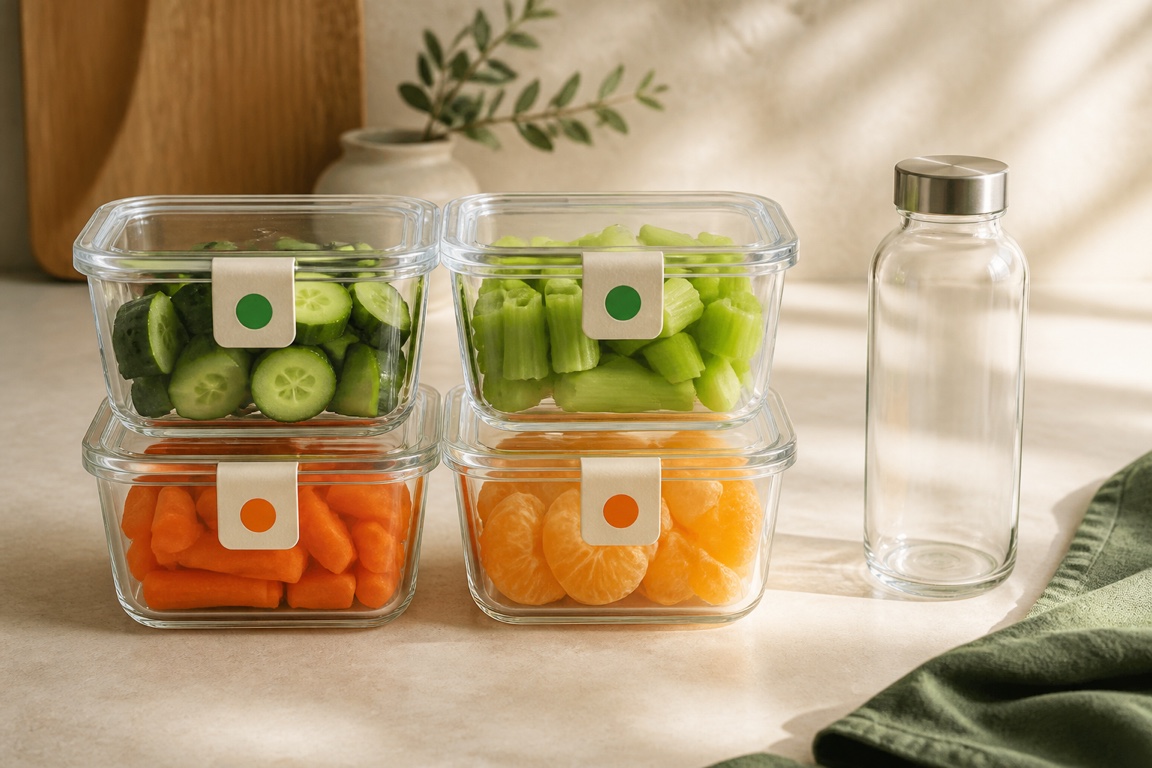
Most produce preps ahead far better than juicing folklore suggests. On Sunday nights we wash and chop two days of cucumber, celery, carrot, and peeled citrus into airtight containers, and the Tuesday juice tastes the same as the Sunday one.
Two exceptions have earned their own rule. Apples and pears brown wherever they are cut, so chop those the morning you juice. Washed greens keep best wrapped in a barely damp towel inside a container, not swimming loose in a bag.
Label containers by recipe rather than by ingredient, so a groggy morning brain grabs one box and starts feeding. The grocery list tool plans the amounts, and the builder picks the recipes the list is for.
Plan for the pulp before you start
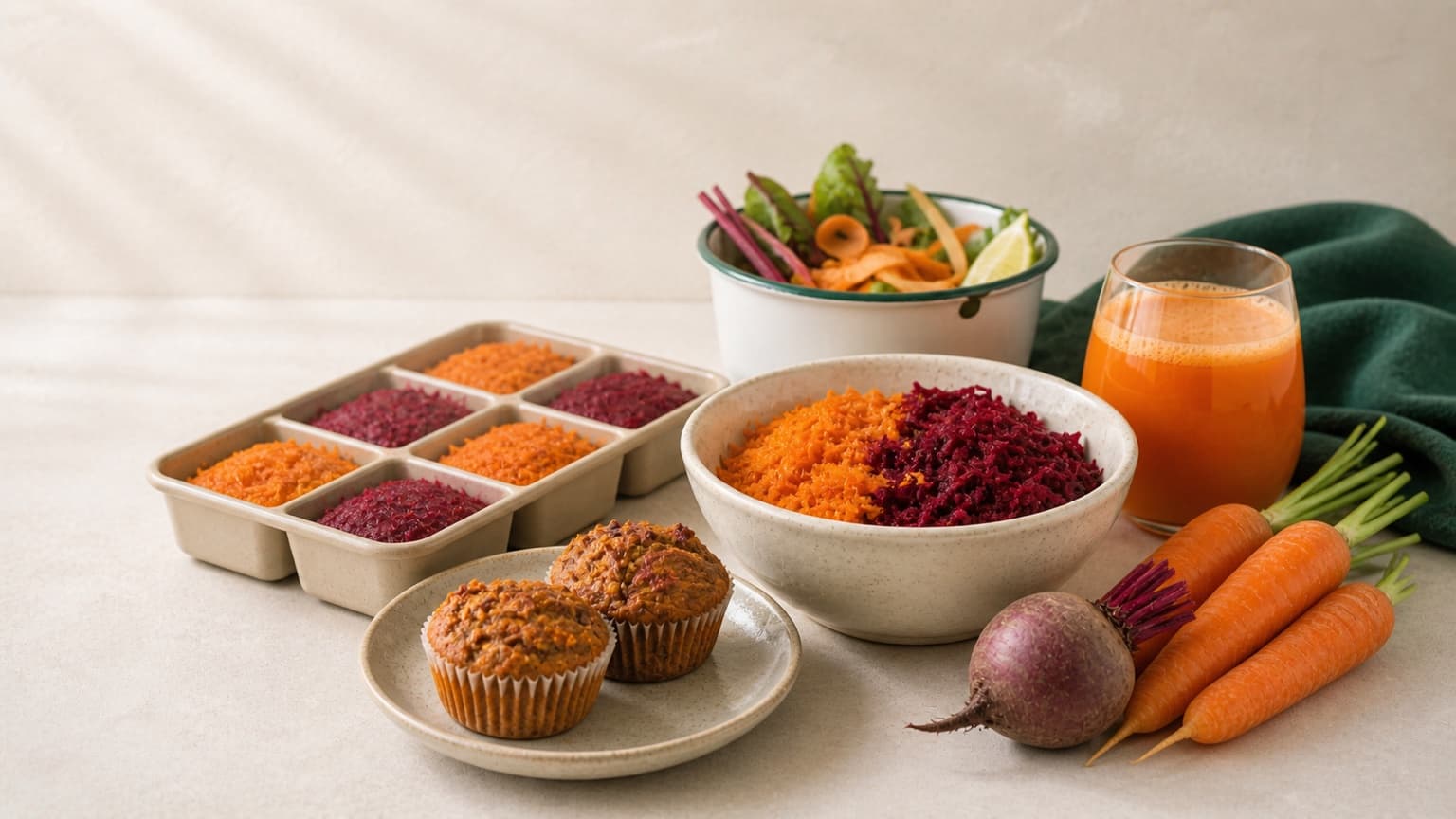
Prep does not end when the glass is full. A cold press leaves a surprising volume of pulp, and since juicing removes much of the fiber from whole produce, that pulp is where most of it ends up. Deciding its fate before you start keeps the counter calm.
Line the pulp bin with a produce bag for instant cleanup, then choose between compost and the kitchen. Carrot and apple pulp fold nicely into muffins or broth, while green pulp is usually happiest composted. The juice pulp guide ranks the uses that actually work by how much effort they take.
Frequently asked questions
Do you peel lemons before juicing?
Yes, mostly. Lemon peel carries strong oils that turn a juice harsh and bitter, especially after a few hours in the fridge. Cut away the yellow skin but do not obsess over the white pith underneath; a thin layer of pith presses fine and barely changes the flavor.
Do you need to peel ginger before juicing?
Not usually. Young ginger with smooth, thin skin juices fine after a quick scrub, and we cannot taste a difference in the finished glass. Peel ginger only when the skin has gone papery, wrinkled, or dirty in the folds. The edge of a spoon scrapes it off quickly.
Should you core apples before juicing?
We recommend it. Apple seeds contain amygdalin, which can release a small amount of cyanide when crushed, and an auger crushes everything you feed it. A couple of stray seeds is a tiny amount, but coring takes about ten seconds, so remove them for peace of mind.
Do you wash produce before juicing?
Always, even produce you plan to peel, because the knife and your hands drag surface grime through the flesh. Cold running water is enough for most items; use a stiff brush for carrots, beets, and ginger, and swish leafy greens in a bowl to release grit. Skip soap.
Can you prep juicing produce the night before?
Mostly yes. We prep cucumber, celery, carrot, and peeled citrus into airtight containers the night before, and they juice fine the next morning. Chop apples and pears the day you juice, since cut surfaces brown overnight. Washed greens keep well wrapped in a barely damp towel.
Do you remove kale stems before juicing?
No need with a cold press. Kale stems are full of juice and feed through an auger easily, especially when you alternate them with firm produce like carrot or apple. Expect a slightly grassier flavor with stems in, and remove them only if that note bothers you.
Keep exploring
Recipes to try
Planning tools & products
This website provides general recipe and nutrition education only and is not medical advice. Calories are estimates. Fresh raw juice is perishable — refrigerate promptly and discard questionable juice. Use juices as part of a normal eating routine, not as a cleanse, fast, or meal-replacement program.